What You’re Protected to Ask For
I know that understanding Your Workplace Rights With Vision Loss can make a huge difference in staying employed and feeling supported on the job. Going through vision loss—whether it happens gradually or suddenly—brings up all sorts of practical questions about what you’re allowed to ask for, how to talk to your boss, and what kinds of help you’re legally protected to receive. I’m going to break down your rights, clarify what you’re protected to ask for, and explain how you can speak up for yourself at work.

🔍 A Basic Overview of Workplace Rights With Vision Loss
When vision loss affects how I do my job, I have rights under the law. In the United States, the major protection comes from the Americans with Disabilities Act (ADA). This law makes it illegal for employers to discriminate against people with disabilities, including those with partial or full vision loss. This applies to private businesses with 15 or more staff, as well as state and local governments.
Vision loss looks different for everyone. It might involve blindness, low vision, losing peripheral vision, or conditions that make reading ordinary print tough. All those situations are covered. Employers have to treat me fairly and think about my needs on a person-by-person basis. The priority is what I can do with reasonable support, not just my diagnosis or how much I see. For more details, check out the official ADA Vision Disabilities page.
🛠️ What “Reasonable Accommodations” Mean and What You’re Allowed to Request
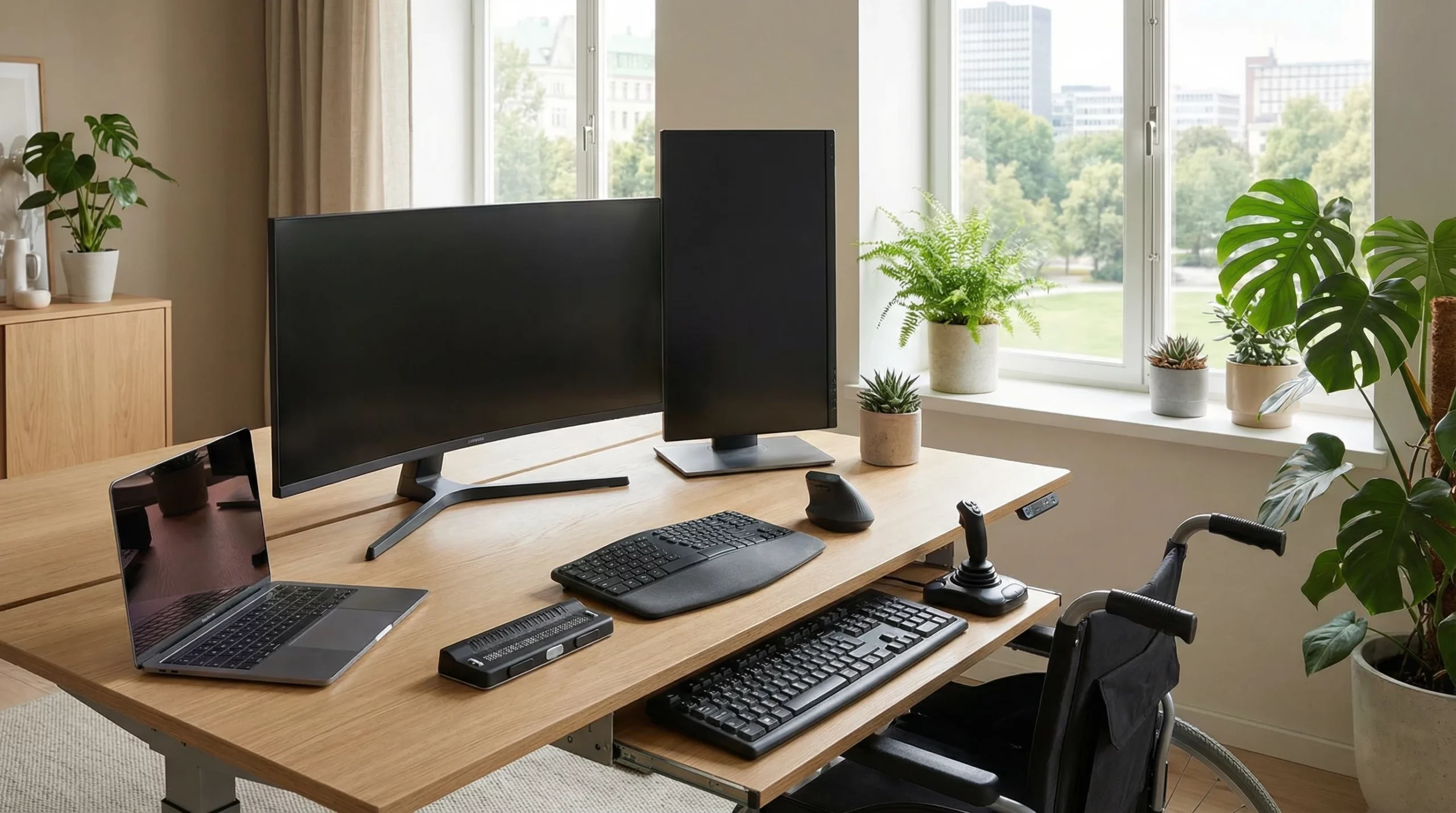
Reasonable accommodations are adjustments at work that help me get my tasks done with vision loss. These aren’t special privileges. They’re supports I’m protected to ask for. According to the ADA, an employer must provide these unless offering them would cause major difficulties or high costs. Here are a few common workplace accommodations that often help folks with vision loss:
Screen readers or magnifying software for computers
Adjustable lighting or glare filters for easier visibility
Braille displays, tactile labels, or large print resources
Audio cues for phone systems or daily jobs
Flexible break periods to handle eye strain and fatigue
Permission to have service animals on the job
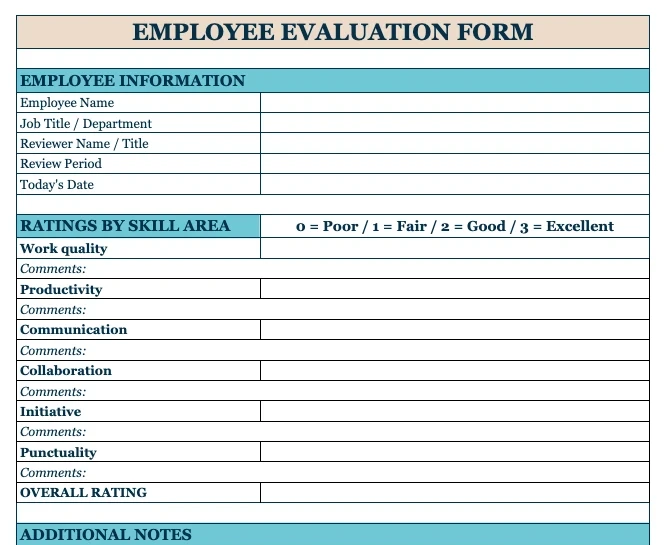 Performance evaluations and written reviews are common workplace documents that may be affected by vision loss and may require accessible formats or accommodations.
I’m also able to ask for help during job training, safety drills, or when using the lunchroom or restroom facilities. If I don’t know exactly which support matches my needs, groups like the American Foundation for the Blind keep practical lists and suggestions.
📢 How to Disclose and Talk About Vision Loss at Work
Whether or not to share the details about my vision loss is a personal choice. I can disclose at any stage—during the application, after getting an offer, or even much later. Being open with my boss helps them understand my situation and the best ways to provide support.
When I talk with my manager or HR, describing how vision loss affects my workflow and outlining specific accommodations that have helped before is useful. If I’m unsure of what will help, I can always ask for an evaluation or request to try different solutions. Employers aren’t allowed to retaliate or treat me unfairly for having this conversation.
⚙️ How to Request Accommodations and What to Expect in the Process
To start things off, usually I just need to tell my boss or HR that workplace changes would help because of a vision disability. I don’t have to fill out fancy forms, unless that’s company policy. It’s normal for a company to ask for paperwork from a doctor confirming my condition.
Employers should chat with me in what’s called an “interactive process.” This means talking together to figure out the best match between my needs and the job requirements. Sometimes we try something and tweak it if it doesn’t work. If my workplace needs help coming up with options, many companies check in with the Job Accommodation Network (JAN) for advice.
🧩 Roadblocks and How to Work Through Common Challenges
- Slow responses: If managers take too long to get back to me, I follow up in writing so my request is documented. Keeping records of conversations by email or notes is always smart.
- Denied requests: If I’m told no, companies should say why. If I think it’s not fair, I can ask HR to review it, file an internal complaint, or contact the Equal Employment Opportunity Commission (EEOC).
- Confusing procedures: Not every company has a clear disability accommodations process. When that happens, I go straight to my manager or HR and say, “I need a reasonable accommodation.” That’s enough to start the conversation.
Even after I’m set up with an accommodation, things sometimes evolve as my duties or technology change. Asking for modifications down the line is totally normal. The process isn’t just one-and-done—it’s an ongoing discussion.
📋 Laws That Protect Me, and What They Cover
Having a grip on which laws safeguard workers with vision loss brings me peace of mind. Main protective laws include:
- Americans with Disabilities Act (ADA): The ADA says I shouldn’t face discrimination and allows me to request accommodations in most types of workplaces.
- Section 504 of the Rehabilitation Act: Applies if you work for (or get services from) places that receive federal funding.
- State and Local Laws: Many states provide even stronger protection, such as rules that apply to smaller companies or that give additional support.
If you want to dig into your rights in depth, resources from National Federation of the Blind Employment Resources give up-to-date info and tips.
🪙 Benefits of Asking for Accommodations at Work
Speaking up helps me do my job more efficiently and builds trust with both my team and my manager. Accommodations help lower stress and fatigue, pump up productivity, and improve my sense of belonging. Sometimes, coworkers even get inspired by learning how simple adjustments can make the workplace better for everyone.
From my own experience, getting screen readers for handling digital work pumped up my output and let me participate better in meetings by reviewing digital materials beforehand. I’ve also heard from others that even small tweaks—like moving a desk closer to natural light—made their workdays smoother and boosted morale for others too.
Accommodations not only support individuals with vision loss, but they can spark a new appreciation for accessibility among colleagues. Seeing inclusive technology, like braille keyboards or audio cues, can show everyone the importance of a workspace where all employees are free to thrive. This often encourages teamwork and can lead to fresh ideas for collaboration on projects, further benefiting the entire team. Plus, companies that prioritize accommodations typically become more attractive to talented employees and create a workplace culture that values diversity and inclusivity.
 Workplace meetings and discussions are important moments to communicate needs, ask questions, and ensure accommodations are in place.
📝 Common Questions About Workplace Vision Loss Rights
Do I need to disclose vision loss on a job application?
Answer: No, it’s not required. You only need to share this information if you’ll need an accommodation during the application or interview process. Disclosure is up to you.
What if my employer refuses to provide accommodations?
Answer: If your request is reasonable and doesn’t cause the company serious problems, they should make it happen. If they refuse, you have the right to file a formal complaint with the EEOC or your local fair employment agency.
What’s considered an undue hardship for an employer?
Answer: That means if providing an accommodation would be too expensive or difficult for the company, they may not have to do it. But they have to show proof, and most common accommodations aren’t a huge burden.
Can I request new changes if my vision changes down the road?
Answer: Definitely. If your needs switch up, you can ask for different accommodations at any point.
🌱 Moving Forward With Confidence and Support
Knowing about Your Workplace Rights With Vision Loss means I’m better equipped to speak up for support and keep my job secure. By working alongside my employer, making the most of legal protections, and connecting with advocacy groups, I can turn obstacles into opportunities for a more inclusive and welcoming workplace.
If you’re not sure what to do next, reach out to local agencies for the blind, rehab centers, or national advocacy organizations—they’re ready to answer questions and step in to help with employer conversations if needed. Workplaces can be very different from one another, so persistence and being clear about what works best for you go a long way toward long-term success and a better workplace experience.