
Navigating a restaurant as a visually impaired person can have it’s hurdles, but buffet dining has a unique set of challenges. It’s not just about moving around the space, it’s about identifying the food choices, which can be tricky. First off, getting around a buffet safely means paying attention to your surroundings. Make sure you’re familiar with the restaurant’s layout. Try to get a feel for where the food stations, seating areas, and exits are located. If you’re unsure, don’t hesitate to ask staff for a quick tour on your first visit.
Finding a good seat is crucial. A spot in a well-lit area can make a significant difference. It helps in seeing things more clearly and ensures your comfort. When reserving or walking in, mentioning your needs to the host can be very useful. They can guide you to a seat that suits your requirements.
The primary issue, and you’re gonna know this well, is figuring out what foods are on display. Buffets and potlucks usually have a huge variety of dishes, often unlabeled or vaguely marked. This can be overwhelming. Imagine trying to make choices with very little information to rely on – not easy, right?
In summary, it’s all about overcoming these navigational and food identification challenges. Awareness, good lighting, and effective communication with staff can play a huge role in making your buffet dining experience smooth and enjoyable.
Effective Techniques for Identifying Foods at Buffets
When it comes to figuring out what’s on the buffet table, technology and a little assistance can make it way easier.
Smart devices and apps are here to help, so make the most of them. he problem with this solution is that it is difficult if not nearly impossible to hold the device, identify the food, and get the food to your plate. Generally, I try to navigate around the food before I pick up my plate. Generally the food is displayed in somewhat of a category; potato, pasta, rice in one area, with meat and poultry in another, etc. I can’t always identify everything, but at least I have a roadmap.
Your smartphone is a fantastic asset. Using the flashlight feature is a quick way to illuminate food labels, making them easier to see. If reading the labels proves difficult, there are apps designed to assist. Look into apps with Optical Character Recognition (OCR) capabilities—they can read out the text on labels for you. I generally use SeeingAI on my iphone. It is a free app and does a good job.
Another great strategy is enlisting the help of your dining companions. If If you have someone who usually accompanies you, this can become almost a habit. My partner usually goes ahead of me and announces the various items as we go by.
Don’t overlook the restaurant staff either. Many buffets do label their dishes, so asking a staff member to read out or even explain the options available can be a huge help. They’ve got an insider’s view and can provide detailed descriptions of the dishes.
Balancing these tools and techniques can turn what seemed like a daunting task into a more straightforward one. Whether it’s through technology or having someone there to guide you, identifying buffet foods doesn’t have to be stressful.
Maximizing the Buffet Experience: Practical Tips
Choosing the right seat can make all the difference. Opt for a well-lit and easily accessible area. This allows you to see your surroundings better and makes it easier for staff to assist you if needed.
Speaking of staff, don’t hesitate to communicate your needs. Let them know if you need help identifying dishes or choosing items. Most staff members are more than willing to help out and ensure you have a pleasant dining experience.
Keep your smartphone apps updated. Apps that read labels and provide audio descriptions are constantly improving. Make sure you have the latest versions to take full advantage of new features and better accuracy.
When you’re at the buffet, take your time. There’s no rush in making selections. Slow down and focus on assessing what’s available.
Finally, don’t be afraid to return for seconds (or thirds). Buffets are all about enjoying a variety of foods, so feel free to make multiple trips to try different things.
Innovative Assistive Technologies and Future Trends
Advancements in AI and Optical Character Recognition (OCR) technology are making a big splash in the world of assistive tools. Apps that can read out food labels are becoming more accurate and quicker by the day. This means less guesswork and more enjoyment at the buffet line.
Wearable tech is another game-changer. Think of devices like smart glasses that can describe your surroundings, including what’s on the buffet table. These devices are getting better at real-time recognition, making dining out more seamless for visually impaired individuals.
Looking ahead, the future seems bright for accessible dining experiences. Restaurants are beginning to understand the importance of inclusivity. Some are even incorporating braille menus, voice-activated assistants, and more detailed verbal descriptions of their offerings.
Technological advances are fantastic, but raising awareness and improving staff training are equally important. With educated and compassionate staff, dining out can become a smoother, more enjoyable experience for everyone. Ultimately, the combination of tech and human support creates a dining environment where visually impaired individuals can thrive.
-
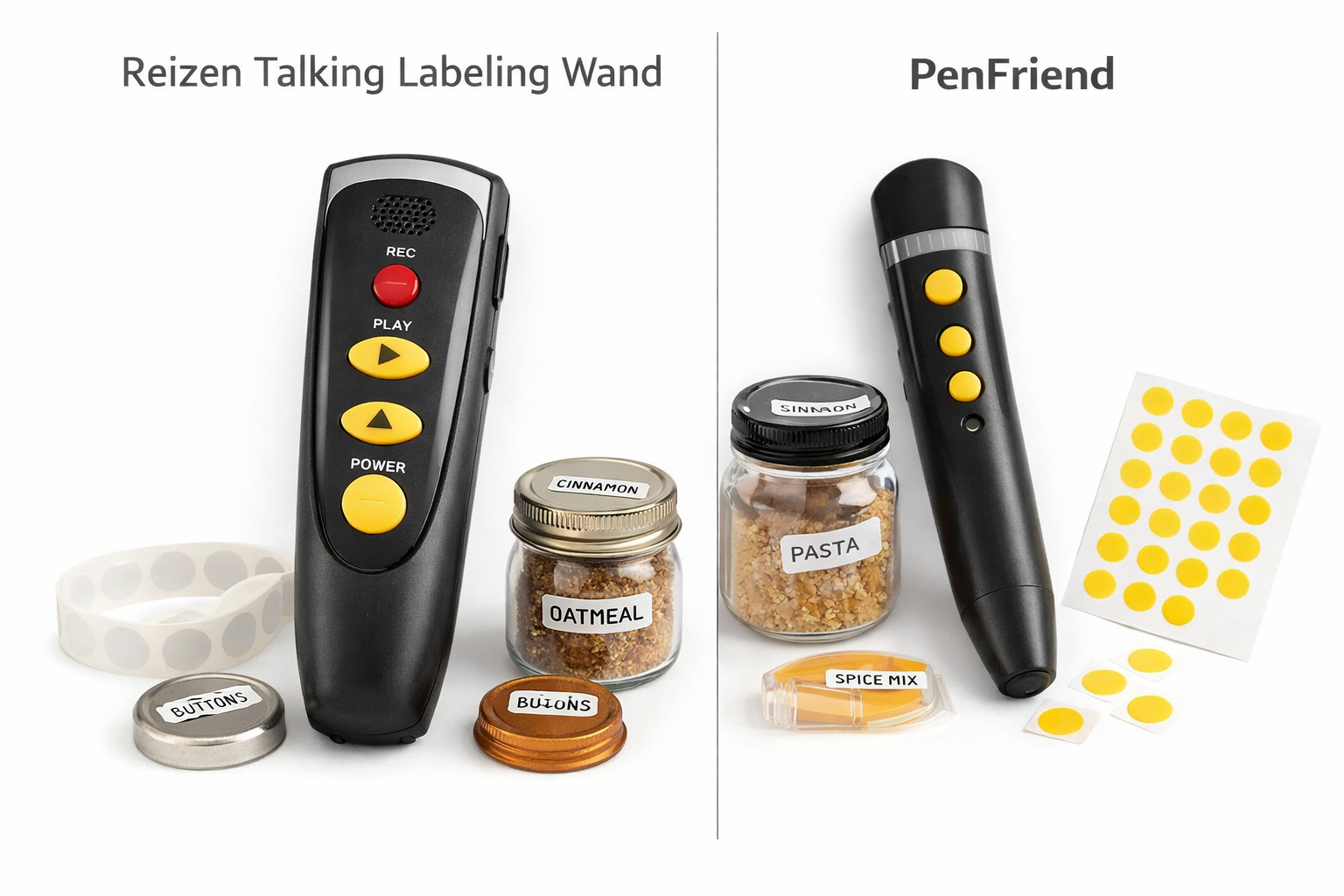
Reizen Vs PenFriend: Which Talking Labeling Tool Actually Works Best?
Choosing the right talking labeling tool can make a bigger difference than you might expect. When I first started looking for a way to label everyday items, I wasn’t trying to build a complicated system—I just wanted something simple that would help me stop guessing. Over time, I ended up using both the Reizen Talking…
-
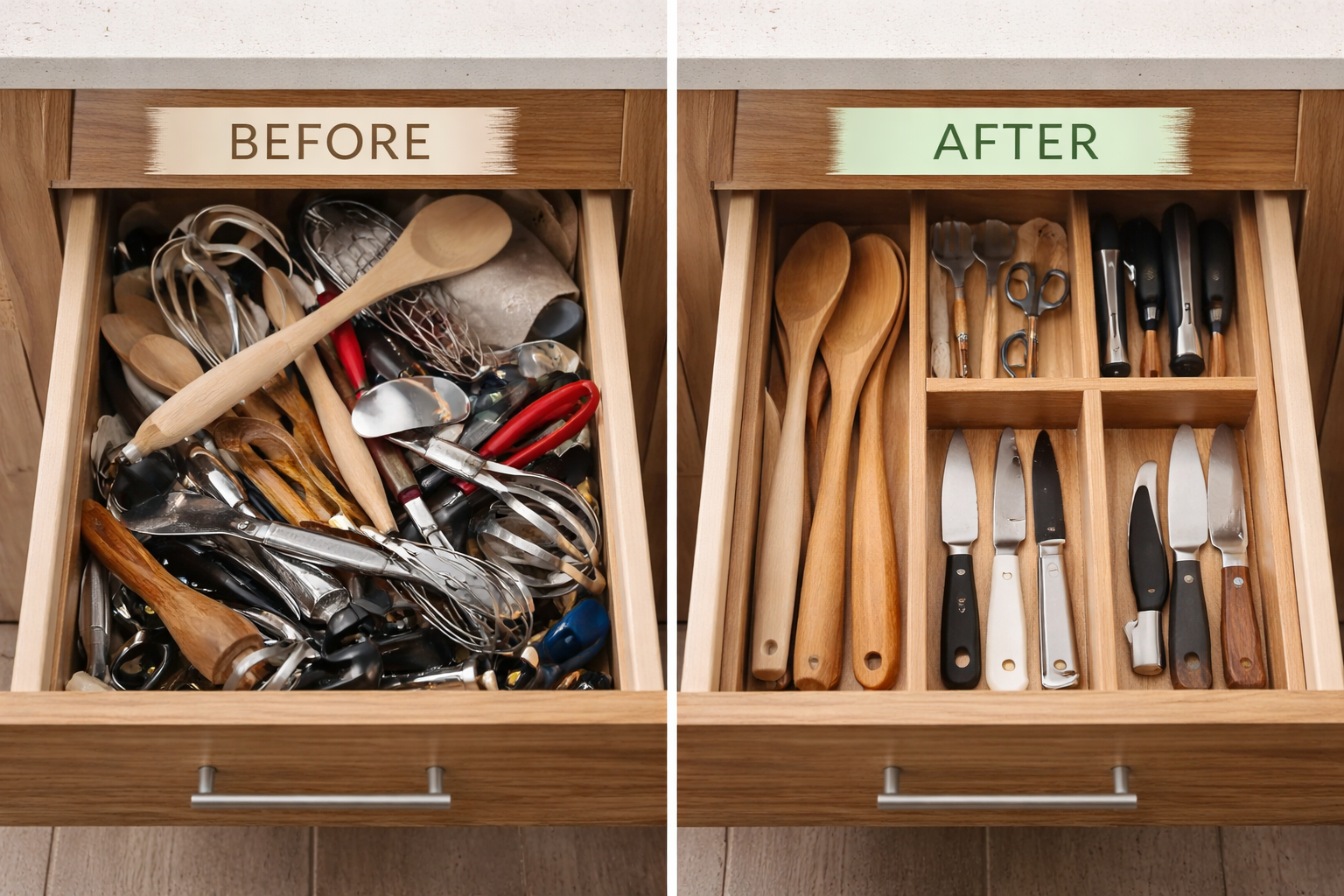
Simple Home Decluttering Strategies That Actually Stick
Practical, real-life ways to clear the clutter and make everyday tasks easier I used to tell myself I didn’t have time to get organized. I was raising four kids and working full time, and like a lot of people, I focused on getting through the day—not keeping everything in perfect order. And honestly, it worked……
-
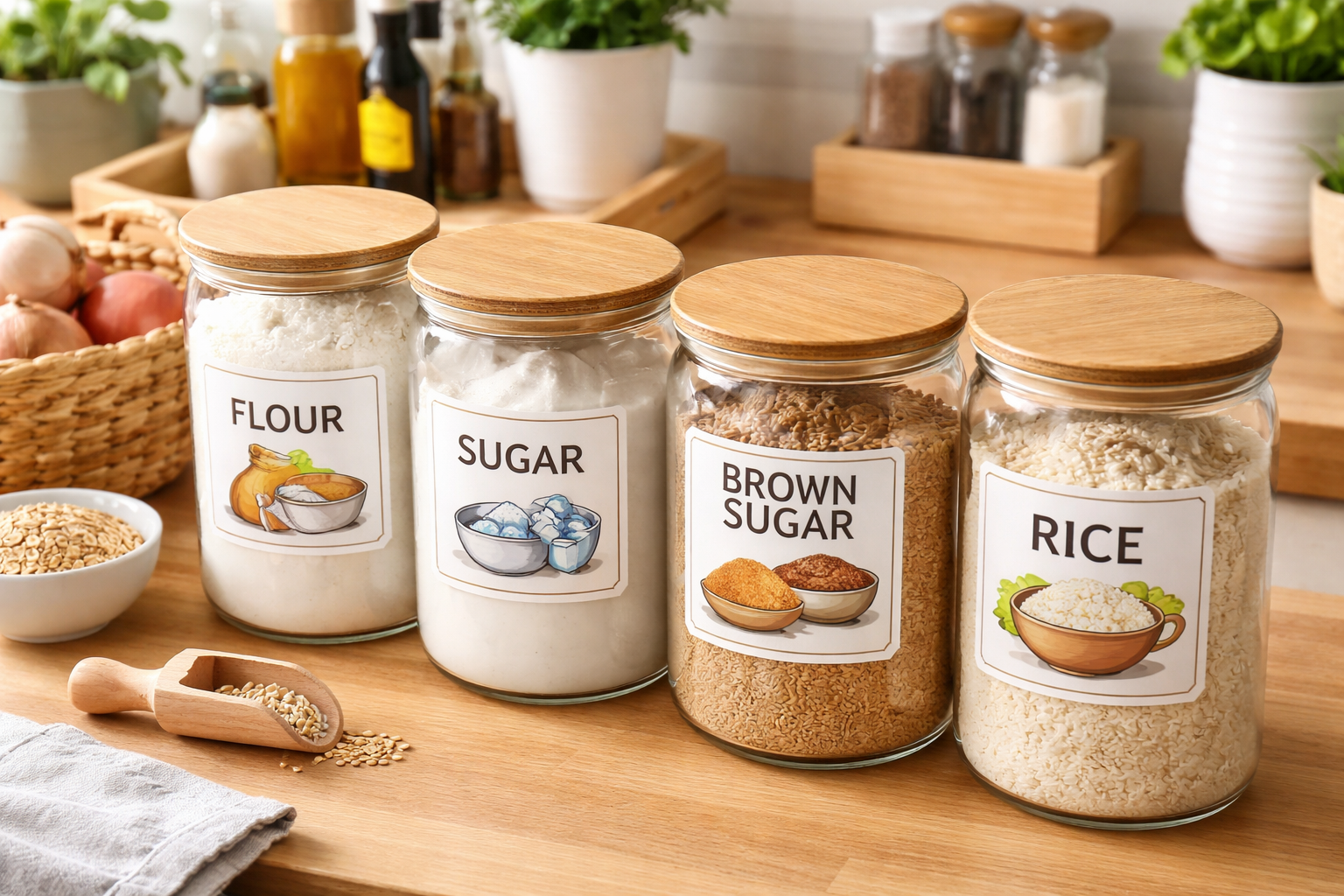
Home Storage Labeling Ideas
Simple Systems That Make Everyday Tasks Easier If you’ve ever reached into your pantry and hesitated—unsure whether you were grabbing sugar, flour, or something else entirely—you’re not alone. Finding practical home storage labeling ideas isn’t just about being organized. It’s about creating a system that removes uncertainty and makes everyday tasks smoother. 👉 If you’re…