
Simple Systems That Make Everyday Tasks Easier
If you’ve ever reached into your pantry and hesitated—unsure whether you were grabbing sugar, flour, or something else entirely—you’re not alone.
Finding practical home storage labeling ideas isn’t just about being organized. It’s about creating a system that removes uncertainty and makes everyday tasks smoother.
👉 If you’re just getting started, I share a broader approach to setting up your space here:
Home Organization Tips That Make Everyday Life Easier
For me, labeling wasn’t something I thought much about at first. But over time, I realized that a simple, consistent labeling system could take a lot of the frustration out of daily routines—especially in the kitchen.
🏷️ Creative Home Organization Labels That Actually Make Sense
There’s no one “perfect” way to label your home. The goal is to find something that’s easy to recognize and easy to maintain.
Here are a few types of labeling systems that work well in real life:
🔹 Tactile Labels (Bump Dots, Raised Markers)
These are one of the simplest and most reliable options.
- Available in different shapes, sizes, and textures
- Easy to apply and remove
- Work well on appliances, containers, and controls
I’ve used everything from commercial bump dots to simple foam stickers—and honestly, both can work just as well.
👉 If you’d like to see how I actually use these day to day:
Labeling And Organization Tools That Make Life Easier With Low Vision
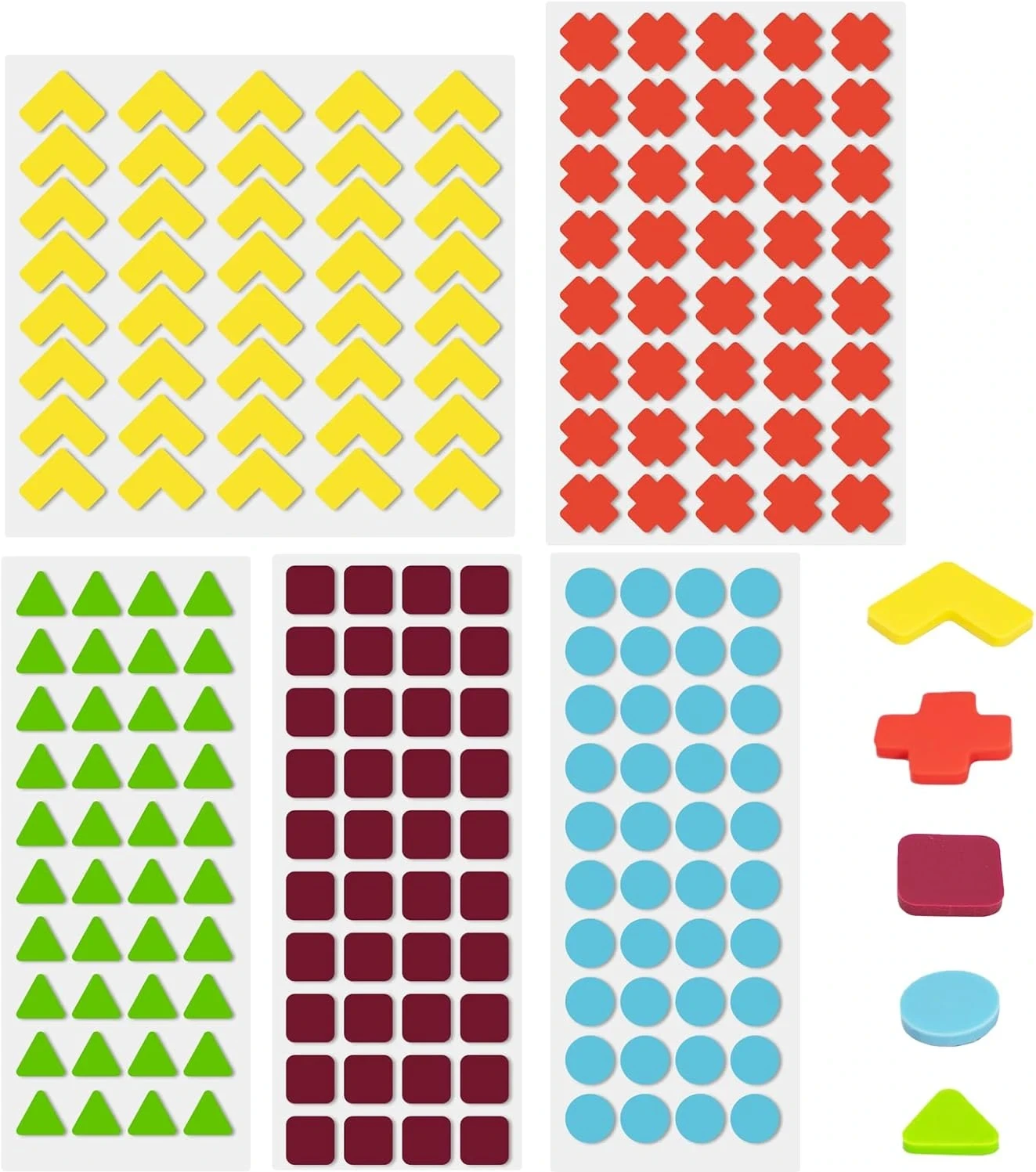 Bump dots that used to be only in round and square shapes now come in different shapes and colors
🔹 Visual Labels (High Contrast & Large Print)
If you still have some usable vision, high-contrast labels can be very effective.
- Black text on white or yellow backgrounds
- Bold, simple fonts
- Consistent placement
The key to home storage labeling is consistency—put labels in the same spot every time.
For a while, I used simple printed labels with large text. They worked—but they felt a little… plain.
At some point, I decided to have a little fun with it.
Instead of just printing words, I started adding simple pictures to my labels—especially on canisters and pantry items. It made them easier to recognize at a glance and a lot more enjoyable to use.
And honestly, every time I reach for one of those canisters, it brings a little smile.
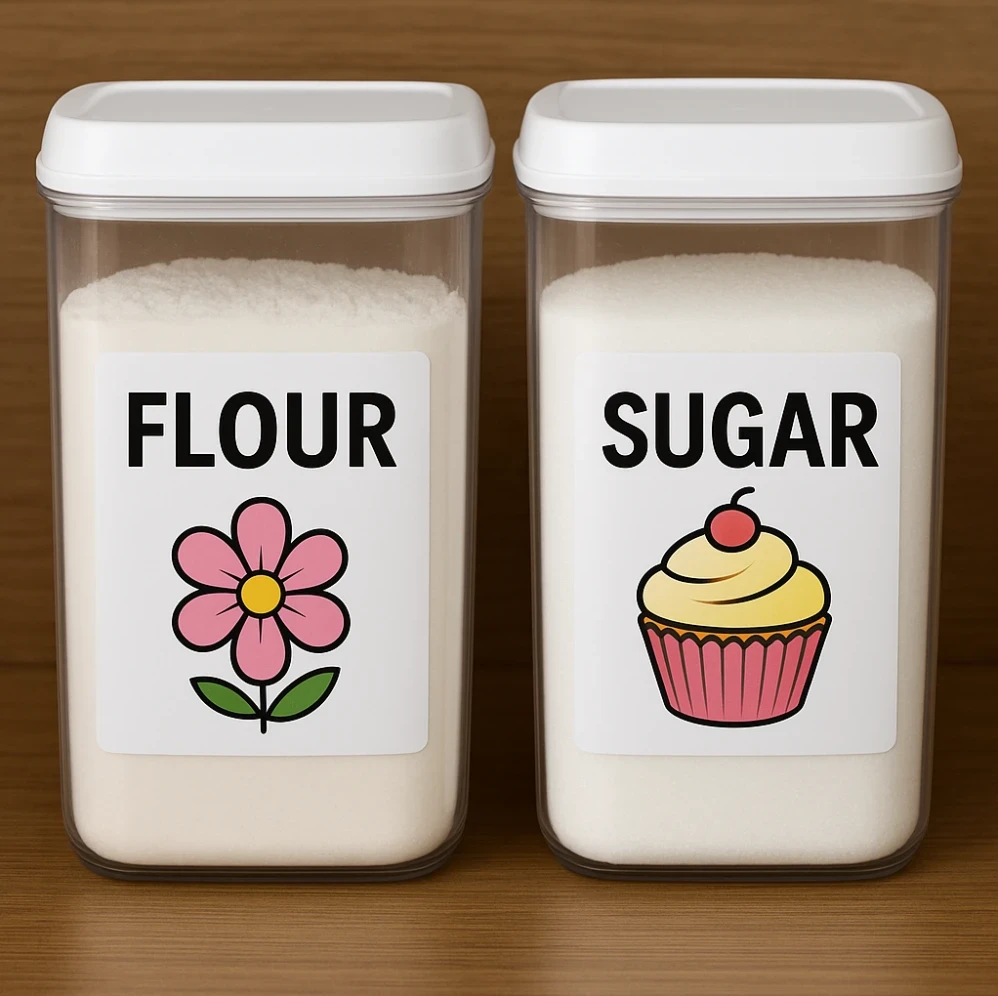 Simple picture-and-text labels make pantry items easier to recognize at a glance while adding a personal, practical touch to everyday organization.
👉 If you want to see exactly how I set this up step by step:
Baking Smarter: How I Use Pictures and Print to Label My Kitchen Canisters
🔹 Audio Labels (Talking Labeling Systems)
For items that are harder to label visually or tactically, audio labels can be a great option.
- Record a message for each item
- Scan and listen instead of guessing
- Especially useful for freezer items or similar containers
I’ve found these helpful in specific situations, though I still rely on simpler methods for everyday use.
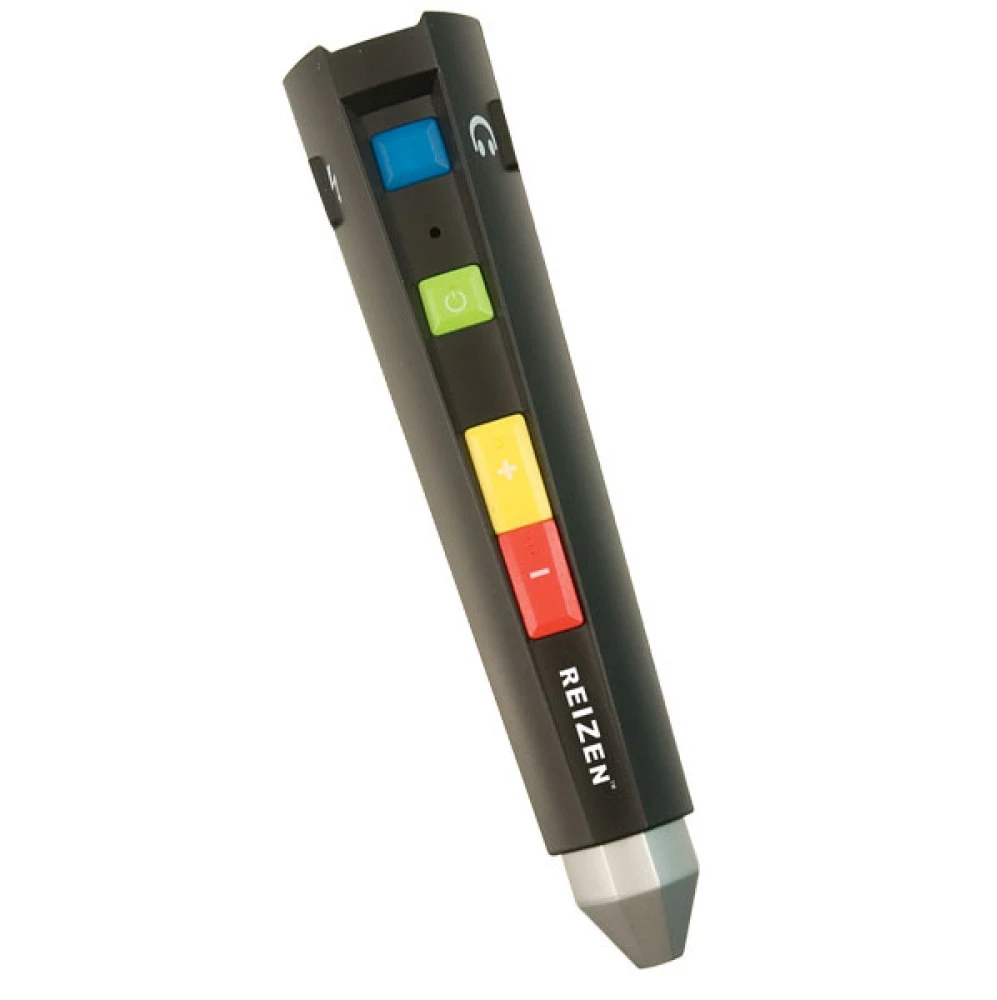 The Reizen Talking Labeling Pen features bold, easy-to-feel buttons and audio playback, making it simple to label and identify everyday items without relying on sight.
🔹 DIY Labeling Ideas (Simple and Effective)
Some of the best solutions aren’t “products” at all.
- Color-coded dots
- Rubber bands to identify items
- Different container shapes or lid styles
These DIY labeling ideas are often the easiest to maintain because they fit naturally into your routine.
⭐ Why Labeling Matters (Especially If You Have Low Vision)
Labeling isn’t just about organization—it’s about removing hesitation.
When your vision changes, everyday items that once felt familiar can suddenly look the same. A spice jar, a can, or a container in the freezer can become a guessing game. And that uncertainty slows everything down.
That’s where simple, accessible labeling systems make a real difference.
For me, it started with tactile markers—bump dots, foam stickers, anything I could identify by touch. Over time, I added a few audio labels for situations where touch alone wasn’t enough.
There are also options like braille, tactile product labels, and apps designed for more advanced systems. But what I’ve learned is this:
👉 The best system isn’t the most advanced—it’s the one you’ll actually use every day.
Once I had a consistent system in place, I spent less time second-guessing and more time just getting things done. And that made everyday life feel a lot more manageable.
🔧 DIY Labeling Ideas You Can Start Today
You don’t need to overhaul your entire home to see results.
Start small:
- Label your most-used pantry items
- Add tactile markers to appliance buttons
- Use color coding for categories (spices, baking, snacks)
- Create a consistent “placement rule” for labels
Simple changes can have an immediate impact.
👉 If you want to build this into a full system:
Home Organization Tips That Make Everyday Life Easier
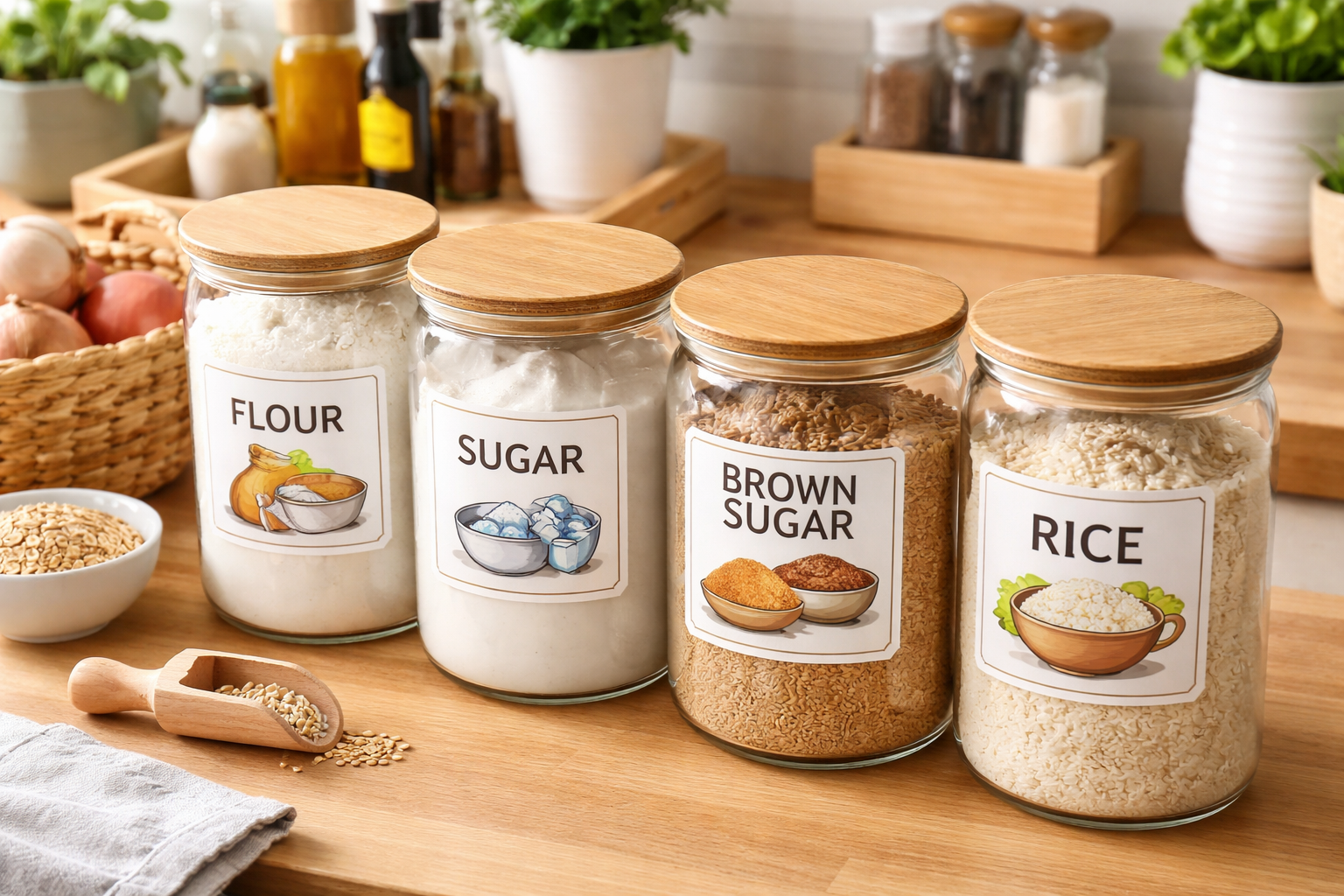
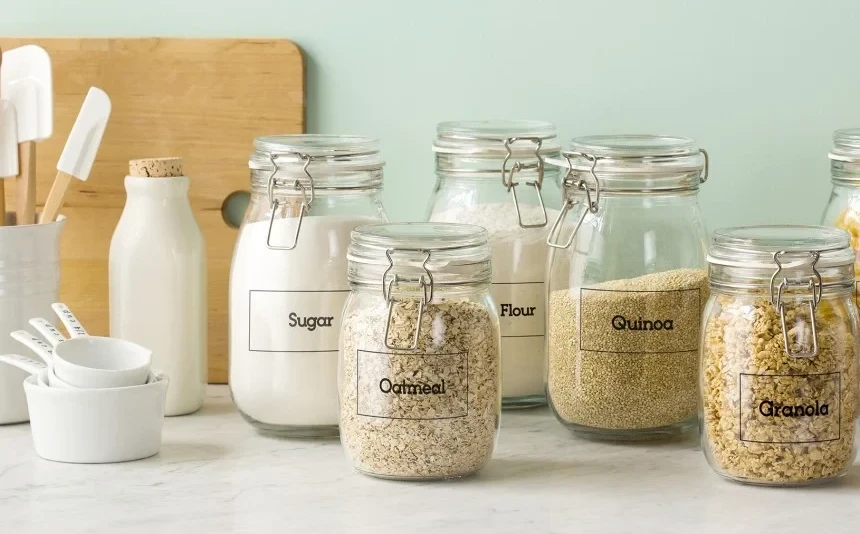 Clearly labeled glass canisters keep pantry staples organized and easy to identify, creating a simple, low-stress kitchen setup that works well for everyday use.
🧭 How to Use Labeling for Home Organization
A good labeling system isn’t just about the labels—it’s about how you use them.
Here’s a simple approach:
- Start with problem areas (spices, freezer, similar containers)
- Choose one labeling method (don’t mix too many systems at once)
- Be consistent (same label type, same placement)
- Adjust as needed
This is where many systems fall apart—they’re too complicated to maintain.
Keep it simple.
⚖️ What Works Well (and What Doesn’t)
✔️ What works:
- Simple, repeatable systems
- Labels you can recognize instantly
- Consistent placement
❌ What doesn’t:
- Overcomplicated setups
- Too many labeling methods at once
- Relying on memory instead of systems
If you have to stop and think about it—it’s probably too complicated.
💡 The Real Benefits of Labeling at Home
A good labeling system does more than organize your space.
It helps you:
- Move faster through daily tasks
- Reduce mistakes
- Feel more confident in the kitchen
- Stay independent
These benefits add up quickly—and they’re noticeable almost immediately.
❓ Common Questions About Home Labeling
How do I choose the right labeling system?
Start with what feels easiest. If it’s too complicated, you won’t stick with it.
What’s better: tactile or audio labels?
It depends on the situation. Tactile works great for everyday items. Audio is helpful for more complex labeling.
When should I start labeling my home?
Start as soon as you notice hesitation or confusion.
Where can I find labeling tools?
Many simple solutions are available online, but you can also create effective systems using everyday items.
🧩 How Labeling Fits Into a Bigger Organization System
Labeling is just one piece of the puzzle.
- Labeling helps you identify items
- Organization helps you store them logically
- Decluttering helps you reduce what you manage
👉 If you’re building a full system:
[Home Organization Tips That Make Everyday Life Easier]
🛒 Tools That Can Make Labeling Easier
If you’re looking for ready-made options:
- Bump dots and tactile markers
- High-contrast label stickers
- Talking labeling devices
- Simple handheld label makers
👉 For audio labeling comparisons:
[Reizen Talking Label Wand vs. PenFriend: Which One Works Better?]
✍️ What I’ve Learned
Labeling isn’t about creating a perfect system.
It’s about making everyday life easier.
The simplest solutions are often the ones that stick—and the ones that make the biggest difference over time.
If something helps you move through your day with less frustration and more confidence, then it’s working.
And that’s really the goal.