
Simple tools that make everyday cooking easier—and why that matters more than you might think
Most of us don’t think twice about the appliances we use every day.
We plug them in, press a button, and expect them to work.
But over time, I started noticing something—especially as I got older and my vision began to change.
It wasn’t that I couldn’t use my appliances—it was that they were becoming harder to use consistently and confidently.
Buttons that all felt the same.
Displays that were harder to read.
Settings that required more attention than they should.
And then there were the little things that added up:
- Wondering if something was actually turned on
- Double-checking settings
- Getting closer than I wanted to just to see what I was doing
None of these things were major problems on their own.
But together, they turned simple tasks into something that required more effort than it should.
That’s when I started looking at my appliances a little differently.
Alt text: Kitchen counter with small appliances showing hard-to-read buttons and displays
Caption: When appliances are harder to see and use, even simple tasks take more effort
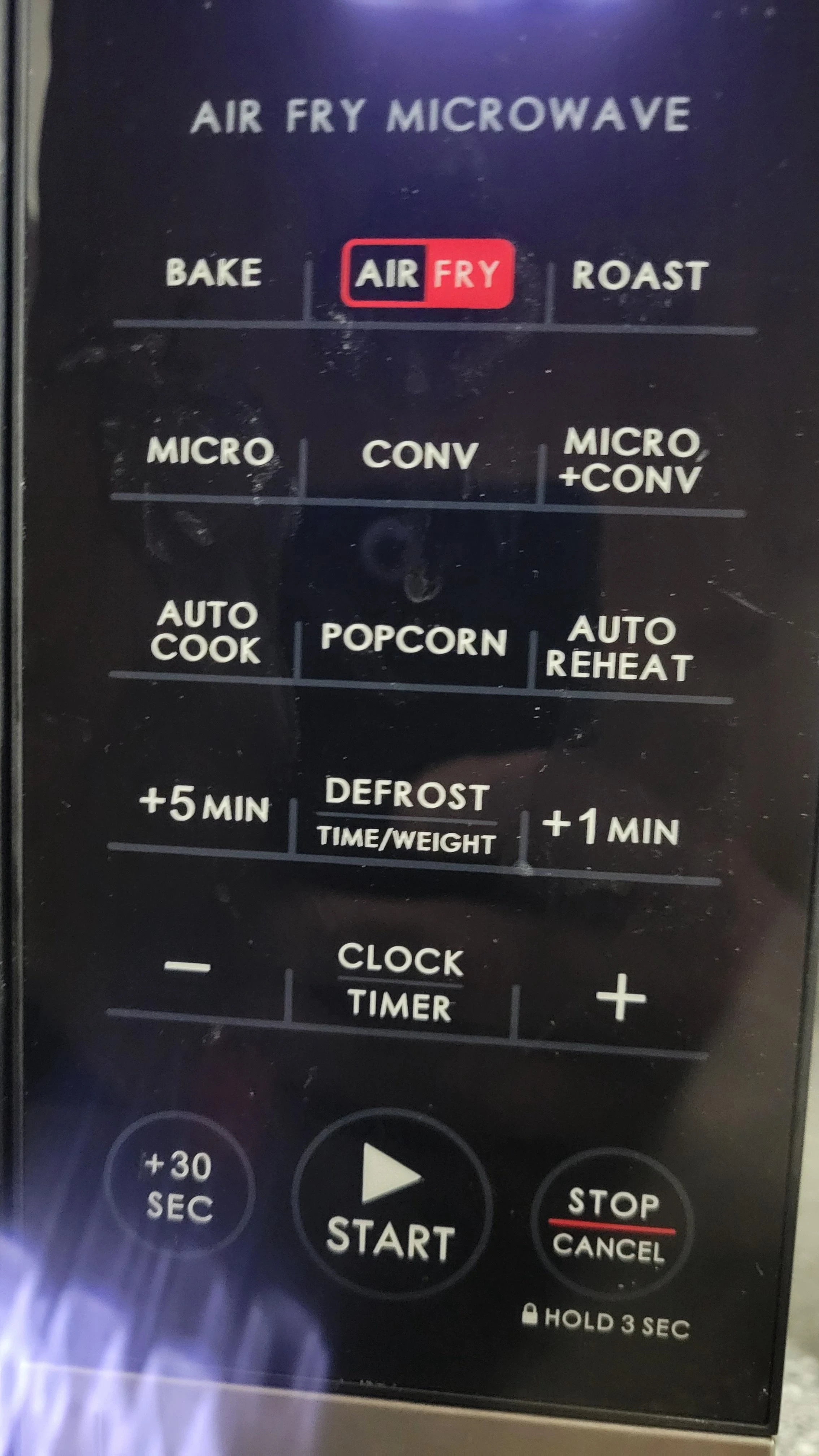 When appliances are harder to see and use, even simple tasks take more effort
🔍 What Most People Don’t Realize About Small Appliances
When people shop for small appliances, they usually focus on things like price, brand, or how many features it has.
More buttons. More settings. More options.
On paper, that sounds like an upgrade.
But in real life, it often creates the opposite experience.
The more complicated an appliance becomes, the more attention it demands.
Instead of saving time, it can slow you down:
- You have to stop and figure out which button does what
- You double-check settings before starting
- You rely on trial and error more than you should
Flat touch panels.
Low-contrast displays.
Controls that change depending on the mode.
They may look sleek—but they don’t always work well in everyday use.
👉 Ease of use isn’t about how advanced an appliance is.
It’s about how quickly and confidently you can use it without thinking too hard.
⚙️ What Actually Makes an Appliance Easy to Use
Once I started paying attention, I realized something surprising.
It wasn’t the brand or the price that made the biggest difference.
It was the design.
Some appliances are simply easier to use than others—and it usually comes down to a few key features.
🔘 Simple, Clearly Marked Controls
Appliances that work best don’t make you guess.
- Easy to identify
- Clearly labeled
- Consistent in what they do
When controls are straightforward, you don’t have to stop and think every time you use them.
And honestly, that’s the difference between something you enjoy using… and something you avoid.
✋ Tactile Feedback You Can Feel
Flat touch panels might look modern, but they’re not always practical.
Appliances with:
- Raised buttons
- Distinct knobs
- Click feedback when pressed
…make it much easier to operate them without second-guessing.
You can feel what you’re doing—not just see it.
That alone can take a surprising amount of stress out of everyday tasks.
👀 Displays You Can Read at a Glance
Some displays look great in a showroom but don’t hold up in everyday use.
The ones that work best tend to have:
- High contrast
- Larger numbers or text
- Simple, uncluttered layouts
If you have to lean in or adjust your position just to read it, it’s probably not designed with real-life use in mind.
And if you’re doing that every day, it gets old fast.
➖ Fewer (But More Useful) Settings
More features don’t always mean better.
In fact, appliances with too many options often become harder to use:
- Modes that aren’t clearly explained
- Buttons that change function depending on the setting
- Menus that require multiple steps
The best appliances focus on what you actually use—and make those functions easy to access.
Because most of us aren’t trying to master an appliance—we just want it to work.
🔁 Consistency From One Use to the Next
This one doesn’t get talked about enough.
Appliances that behave the same way every time you use them are far easier to manage.
You shouldn’t have to:
- Re-learn the controls
- Reset preferences constantly
- Guess what mode it’s in
Consistency builds confidence—and confidence makes everyday tasks smoother.
Once something becomes predictable, it becomes comfortable.
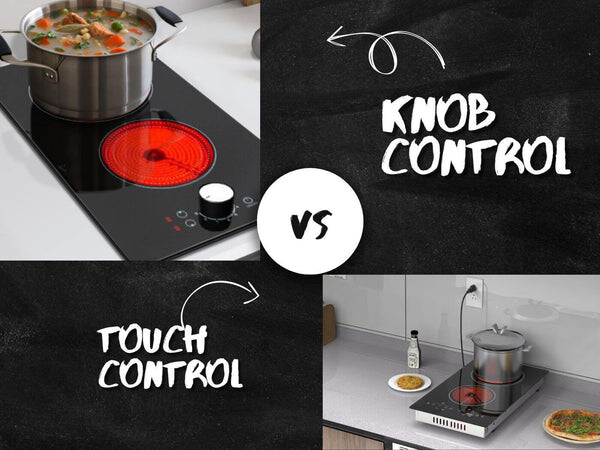 Simple controls are often easier—and more reliable—than complex interfaces
🍳 Types of Easy-to-Use Small Kitchen Appliances
Once I started paying attention, I began noticing the same patterns across different easy-to-use small kitchen appliances.
Some stood out right away—not because they were fancy, but because they were simply easier to work with day to day.
Here are a few that tend to make life easier when usability really matters.
🍗 Air Fryers
Air fryers have become popular for a reason—they simplify cooking.
Most models:
- Use straightforward temperature and time controls
- Don’t require constant monitoring
- Cook food consistently with minimal adjustment
The easiest ones to use are the ones with:
- Simple dials or clearly labeled buttons
- Presets that actually make sense
- A display you can read without guessing
When it’s set up right, it becomes one of those “set it and check it later” appliances—which is a big win.
🍲 Microwaves
Microwaves are one of the most used appliances in any kitchen—but not all of them are easy to use.
Some newer models try to do too much, which can make even simple tasks feel complicated.
The better options tend to have:
- Large, clearly labeled buttons
- One-touch start features
- Minimal layers of menus
Because let’s be honest—most of the time, we just want to heat something up and move on.
☕ Coffee Makers
Coffee makers can range from very simple to unnecessarily complicated.
The easiest ones to live with are:
- Single-button or single-function models
- Machines with consistent settings
- Designs where you can clearly see water levels and placement
When something is part of your morning routine, the last thing you want is to figure it out before you’ve had your first cup.
🔥 Toaster Ovens
Toaster ovens can be incredibly useful—but only if they’re easy to operate.
Look for ones with:
- Basic temperature and timer knobs
- Clear indicator lights
- Simple function selection
Some digital models look impressive, but the simplest designs are often the most reliable.
If you can glance at it and know exactly what it’s doing, that’s a good sign.
💧 Electric Kettles
Electric kettles are one of the simplest appliances—and that’s exactly why they work so well.
Most have:
- One main function
- Automatic shut-off
- Minimal controls
The best ones make it obvious when they’re on and when they’re done.
It’s hard to overcomplicate something like this—and that’s part of what makes it so useful.
🥕 Food Choppers and Prep Tools
These are some of the biggest time-savers in the kitchen.
Manual or electric choppers:
- Reduce repetitive cutting
- Produce more consistent results
- Simplify prep work
This is one area where I’ve personally noticed a big difference—what used to take time and attention now takes seconds.
(I share more about this in my full vegetable chopper review, where I break down what worked—and what didn’t.)
🔊 Voice Features and “Talking” Kitchen Tools
This is something I didn’t think much about at first—but once I started using it, I realized how helpful it can be.
Many newer appliances now include:
- Voice control through smart home systems
- Audible alerts and confirmations
- App-based controls you can manage without touching the appliance
And then there are tools specifically designed to talk to you, like:
- Instant-read thermometers that announce the temperature
- Kitchen scales that read measurements out loud
- Timers that give audible updates instead of just beeping
These features aren’t just convenient—they change how you interact with your kitchen.
And once you get used to that, it’s hard to go back.
(I’ll be covering some of these talking tools in more detail in a future article.)
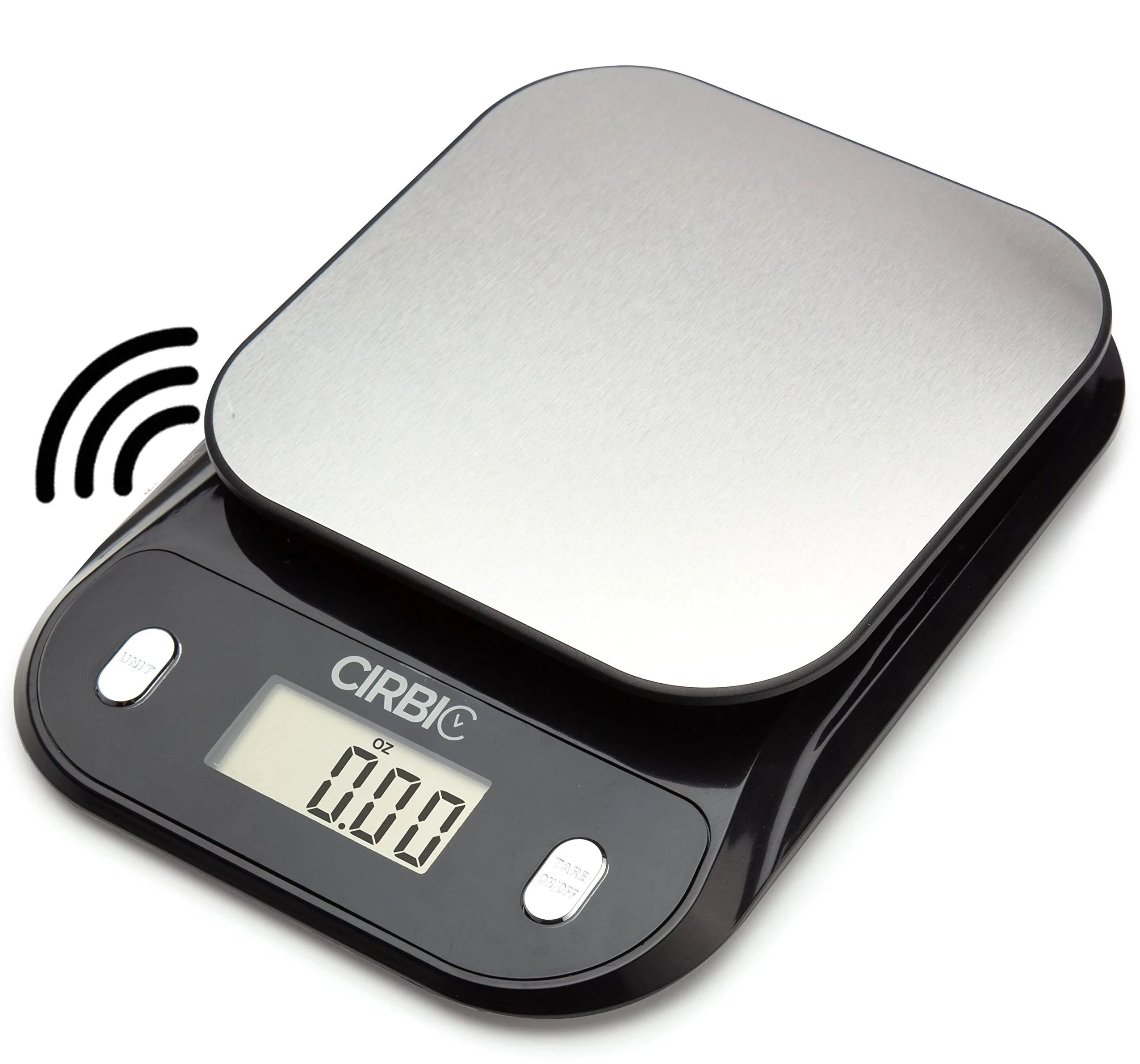 Voice and talking features add a whole new level of ease and accessibility
⭐ Why This Matters More With Vision Changes
Everything I’ve talked about so far—simple controls, clear displays, consistency, even voice features—makes life easier for anyone.
But when your vision starts to change, those things stop being “nice to have” and become much more important.
Tasks that used to be automatic start requiring more attention:
- You look a little closer
- You double-check settings
- You slow down just to be sure
And over time, those small adjustments start to add up.
That’s really what led me in this direction.
Not because I couldn’t use these appliances, but because I wanted to use them more comfortably and with more confidence.
✨ Small Changes Add Up
What I’ve found is that it’s usually not one big change that makes the difference.
It’s the small things:
- An appliance that’s easier to understand
- Controls you don’t have to think about
- Features that work with you instead of against you
Those small changes add up—and they can make everyday tasks feel manageable again.
💬 A Few Words Before You Go
If there’s one thing I’ve learned, it’s this:
Adapting to changes in vision isn’t about giving things up.
It’s about finding new ways to keep doing the things you enjoy—just a little differently.
That’s really the direction of this site.
It’s about sharing ideas, tools, and small changes that can make everyday tasks easier and more comfortable.
Because there’s no single right answer—only what works best for you.