When I first realized I needed help getting around, I had no idea where to start. Everyone kept saying “just reach out to a specialist” or “contact your local agency”—but no one told me how to do that, or even what I should be looking for.
So today I want to share what I’ve learned—the resources I found, the organizations that pointed me in the right direction, and how I managed to piece together a support system that helped me feel confident moving through the world again.
Step One: Understanding What Kind of Help You Need
For me, it started with a simple question:
“Do I feel safe and confident when I leave my home?”
At the time, the answer was no. Even familiar routes felt risky. I didn’t trust my surroundings, and I didn’t trust myself to navigate them.
Once I admitted that, I realized I needed professional help—specifically Orientation and Mobility (O&M) training. That’s when I started looking for programs that could teach me how to travel safely with vision loss.
Step Two: Finding the Right People
Here’s the truth: You don’t have to reinvent the wheel. There are organizations and trained professionals out there whose entire job is helping people like us build skills and regain independence.
🧭 National Resources That Helped Me
These are the first places I turned to, and they gave me the foundation I needed:
- VisionAware (APH Connect Center)
Their site is packed with beginner-friendly information and includes a directory of services by state you can search by zip code or category. - American Foundation for the Blind (AFB)
A great place for learning about your rights, assistive tech, and education opportunities. They don’t provide direct O&M services, but they connect you with people who do. - National Federation of the Blind (NFB)
NFB has chapters in every state and often offers support groups, peer mentorship, and connections to local mobility programs. - Hadley
This one was a game-changer for me. They offer free online workshops on navigating with vision loss, using a white cane, and more. You can learn at your own pace—and you don’t have to be tech-savvy.
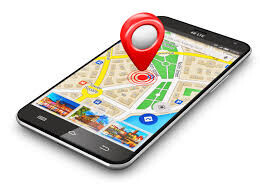 Tech tools like navigation apps gave me a boost when traveling alone in new places.
Step Three: Digging Into Local Options
Once I had the basics, I started looking closer to home. Each state has its own programs, and sometimes the help is already there, you just have to know where to look.
🗺️ How I Found State-Specific Help
- I contacted my state’s vocational rehabilitation agency (you can usually find this by Googling “blind services + [your state]”).
- I reached out to a local Center for Independent Living—these places often have O&M specialists or know where to find them.
- I asked around in online groups and forums. Sometimes, word-of-mouth leads to the best recommendations.
If you’d rather not search all over the internet, the APH Directory I mentioned earlier lets you pull up services by state, including contact details for rehab centers, O&M instructors, and more.
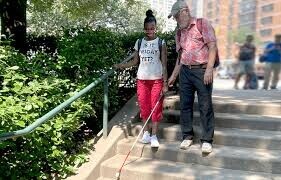 My local O&M specialist helped me practice real-world routes—and taught me how to trust myself again
A Few Things I Wish I Knew Sooner
- You don’t have to be totally blind to benefit from O&M training. If your vision is changing or you’re feeling unsure in public spaces, that’s reason enough.
- Most services are free or low-cost—especially if you go through your state’s vocational rehab system.
- You don’t need a referral in many cases. You can contact most agencies directly.
- There’s no “too late” to start. I waited longer than I should have, but once I began, it changed everything.
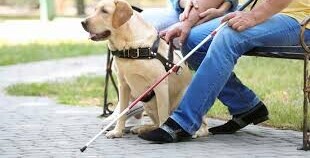 Asking for help didn’t make me less independent—it was how I reclaimed my independence.
Final Thoughts:
Don’t Be Afraid to Ask for Help
I used to think asking for help meant giving up a piece of my independence. Now I realize it was the first step toward getting it back.
If you’re reading this and feeling overwhelmed, I get it. I was there. But once you find the right support—whether it’s a great O&M instructor, a local resource center, or an online community—you’ll start to feel that spark of confidence again.
You deserve to move through life with freedom and safety. And the help is out there.