Transforming Accessibility for the Visually Impaired
Brain-Computer Interfaces (BCIs) might sound like something out of science fiction, but they’re very much part of our tech reality. These systems essentially allow a direct communication pathway between the brain and an external device. This means translating thoughts into commands for a computer, bypassing the need for any physical movement. Amazing, right?
To really get to the heart of BCIs, it helps to start with a quick look back at their journey. Initially, they were mere theoretical ideas brought up in scientific circles. Over time, with relentless research and technological advances, they’ve moved from the pages of journals into practical applications. They’ve gone from being an ambitious dream to a tool with real-world uses.
So, why are BCIs such a big deal? Well, at their core, they radically enhance human-computer interaction. We’re talking about unleashing new potentials where thoughts can control the digital world. Imagine people with physical limitations cruising through digital environments purely through neural commands. It’s not just about convenience; it’s about empowerment and accessibility.
When you’re dissecting these innovations, remember it’s not just gadgetry. It’s about reshaping how we connect with technology and rethink what’s possible. BCIs aren’t confined to laboratories anymore. They hold promises of transforming daily life and breaking barriers. As we journey further, I’ll be your guide, breaking down their impact and potential.
The Science Behind BCIs: How Minds and Machines Connect
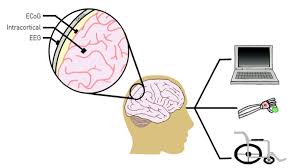
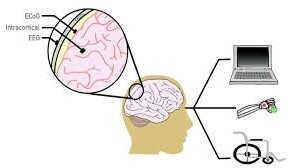
At the heart of Brain-Computer Interfaces is a fascinating dance between neurons and technology. The brain is constantly buzzing with neural activity, and BCIs are like interpreters that try to make sense of this electrical chatter. They pick up brain signals and translate them into digital actions.
Understanding this process requires a peek into the world of neural activity. Our brains communicate using electrical impulses, a kind of internal Morse code. BCIs tap into these signals, using sensors that detect neural activity. The magic happens when these signals are captured and decoded to control different devices, proving that the brain’s language can indeed be translated into digital instructions.
The technology behind BCIs can be split into two categories: iBCIs can be either non-invasive or invasive, each with its benefits and drawbacks.
- Non-Invasive BCIs: These interfaces use external electrodes, such as EEG (electroencephalography) headsets, to detect brain activity without requiring surgery. They are safer and more accessible than invasive methods, though they tend to have lower precision and signal clarity.
- Invasive BCIs: These require surgical implantation of electrodes directly into the brain, providing more precise control over external systems. While they offer greater accuracy and responsiveness, they come with higher medical risks, including the potential for infection and tissue damage.
BCIs and Visual Impairment
For individuals who experience visual impairments, BCIs present remarkable opportunities to restore sensory perception and enhance daily functionality. Scientists and engineers are actively working on different applications that integrate BCI technology to improve navigation, communication, and digital interaction.
- Neural Prosthetics for Vision: By directly stimulating the visual cortex, researchers are developing neural implants that help blind individuals perceive light, shapes, and even limited visual imagery. One such groundbreaking device, Orion by Second Sight, has successfully demonstrated the ability to restore rudimentary sight to users.
- Augmenting Navigation: BCI technology is being paired with artificial intelligence and wearable assistive devices to help visually impaired individuals better understand their surroundings. These systems can interpret environmental data and provide real-time audio or tactile feedback to guide movement safely.
- Smart Home and Device Control: With BCI integration, individuals with vision loss can interact with digital devices such as smartphones, computers, and home automation systems through thought-based commands. This significantly reduces dependency on traditional interfaces that rely on sight.
Understanding the way BCIs connect minds and machines opens doors to imagining their untapped potential. Yet, making these connections reliable and efficient is a complex task. Constant advancements are promising, shaping a future where brainwaves direct technology seamlessly. Exploring these possibilities requires embracing both the science and the strategic thought that drives these innovations.
Applications of BCIs: Transforming Lives and Industries
In the medical world, BCIs are nothing short of revolutionary. They provide hope and independence to individuals with disabilities by restoring lost senses, motor functions, and cognitive abilities. For example, BCIs are helping people with paralysis control prosthetic limbs or even communicate without speaking. It’s groundbreaking stuff that’s changing lives every day.
Beyond healthcare, BCIs are making a splash in the gaming and entertainment industries too. Imagine playing a game or experiencing a virtual reality environment where your thoughts dictate actions in real-time. This kind of engagement redefines interactivity, allowing users to immerse themselves like never before.
Education is another field being transformed by BCIs. Personalized learning is becoming more attainable as these interfaces allow for real-time monitoring of cognitive states. This means tailored educational experiences that adapt to the brainwave patterns of students, enhancing both engagement and comprehension.
Mental health management is another promising application for BCIs. Being able to monitor and understand emotional well-being through neural activity gives healthcare professionals a new tool for diagnosing and treating mental health conditions. This approach could one day allow us to address emotional distress before it becomes a crisis.
Each of these applications showcases the versatility and profound impact of BCIs on various aspects of daily life and industry. While we’re only scratching the surface now, the potential for these technologies to continue evolving and influencing diverse sectors is truly exciting. Harnessing the power of BCIs could redefine what we consider possible in both personal and professional realms.
Current Research and Future Potential
Scientists and technology companies are investing significant resources into refining BCIs, making them more effective and accessible for widespread use. Several high-profile research projects and commercial initiatives are leading the way in innovation.
- Elon Musk’s Neuralink: This ambitious project is focused on developing ultra-high bandwidth brain interfaces that could revolutionize human-computer interaction, including possible applications in vision restoration.
- BrainGate: A pioneering research initiative that explores the potential of BCIs in assisting individuals with disabilities, including those with sensory impairments, by enabling direct neural control over external devices.
- University Research Initiatives: Various academic institutions, including Stanford University and MIT, are conducting cutting-edge research to improve BCI signal processing, implant durability, and user accessibility.
Challenges and Ethical Considerations
Despite the incredible potential of BCIs, there are significant challenges that must be addressed before these technologies can become widely available.
- Medical Risks: Invasive BCIs require brain surgery, which inherently carries risks such as infection, bleeding, and long-term complications.
- Ethical Concerns: The idea of connecting the human brain directly to digital systems raises concerns regarding privacy, security, and potential misuse of neural data.
- Affordability and Accessibility: Currently, BCI technology is expensive and still largely experimental, limiting access for individuals who could benefit the most. Ensuring affordability and widespread availability remains a key challenge for future development.
Looking into the future, the potential for Brain-Computer Interfaces is vast and exciting. Researchers are constantly pushing the boundaries, exploring new ways to refine and enhance these technologies. Emerging trends suggest that BCIs could become an integral part of everyday life, seamlessly blending into our digital environments.
One of the most promising prospects is how BCIs could revolutionize communication. For those unable to speak, these interfaces offer a voice, translating thoughts into spoken words or digital text. As technology advances, this could become more natural and intuitive, breaking down barriers between people and machines.
Collaborations will play a critical role in shaping a sustainable future for BCIs. Scientists, engineers, and ethicists need to work hand-in-hand, ensuring these technologies develop responsibly and ethically. This collaboration can foster innovations that prioritize human dignity and societal values.
The key to successful integration of BCIs into everyday life lies in prioritizing human experience and inclusivity. It’s not just about making BCIs work, but also making them work for everyone, ensuring they enhance quality of life across diverse populations.
BCIs represent an exciting frontier in accessibility, with the potential to redefine independence for individuals with visual impairments. While challenges remain, ongoing research and technological advancements continue to push the boundaries of what is possible. As this field develops, it holds the promise of transforming how individuals with vision loss interact with the world, offering new levels of freedom and autonomy.
For those interested in keeping up with BCI advancements, organizations such as The National Eye Institute (NEI) and BCI Society provide valuable resources and updates on the latest developments in this field.
In looking forward, the challenge will be to harness this technology wisely, ensuring it becomes a tool for empowerment rather than division. As BCIs evolve, they hold the tantalizing promise of transforming how we interact with the world, fostering deeper connections and enhancing our human experience.
Hi Sylvia!
Your blog post “Brain-Computer Interfaces (BCIs) Might Sound Like Something Out Of Science” offers an insightful overview of BCIs and their transformative potential, especially for individuals with visual impairments. The idea of translating thoughts into commands to control digital devices is truly groundbreaking.
Recent advancements in BCIs have shown promise in restoring vision. For instance, researchers have explored direct stimulation of the visual cortex to produce phosphenes—perceptions of light—allowing individuals to perceive visual information without input from the eyes.
Companies like Neuralink are also making strides in this field. Their experimental implant, “Blindsight,” has received the FDA’s “breakthrough device” designation, aiming to restore vision even in individuals who have lost both eyes and their optic nerve.
While these developments are promising, it’s important to approach them with cautious optimism. The technology is still in its early stages, and widespread application may take time. Nonetheless, the potential of BCIs to enhance accessibility and improve the quality of life for those with visual impairments is an exciting prospect.
Thank you for sharing your views on these!
Fleeky
It does almost seem like science fiction–a little scary, but exciting to see the next step. No one would have believed this a few short years ago.
This is a fascinating and well-structured overview of Brain-Computer Interfaces and their potential impact on accessibility! The section on BCIs for visual impairment is particularly compelling—restoring even rudimentary sight through neural implants is a groundbreaking step toward independence for those with vision loss. It’s exciting to see how BCI technology is evolving beyond medical applications into everyday interactions, from smart home control to gaming. The discussion on ethical concerns is also crucial—privacy, security, and accessibility must be addressed as BCIs become more advanced. Looking forward to future updates on how these technologies continue to develop!
– Scott
I have been watching progress in the vision impairment world for years. It seemed to start out slowly, but now it’s like a speeding train-fast and exciting. I can hardly wait for the next step.
This is something straight up from a movie, I can believe we have advance this much into technology, this technology will help a lot of people who are visual impairment, The idea that the Brain-Computer will be able to interpret signals for the brain and translate them into digital actions I find it fascinating, not only will it improve visual impairment but am sure it will greatly improve memory quality and other aspect of the brain.
I love this idea and I hope you share more articles.
Technology is changing life so fast it’s almost impossible to keep up with it. Just when I think I have found the most recent development, another is already being developed.