
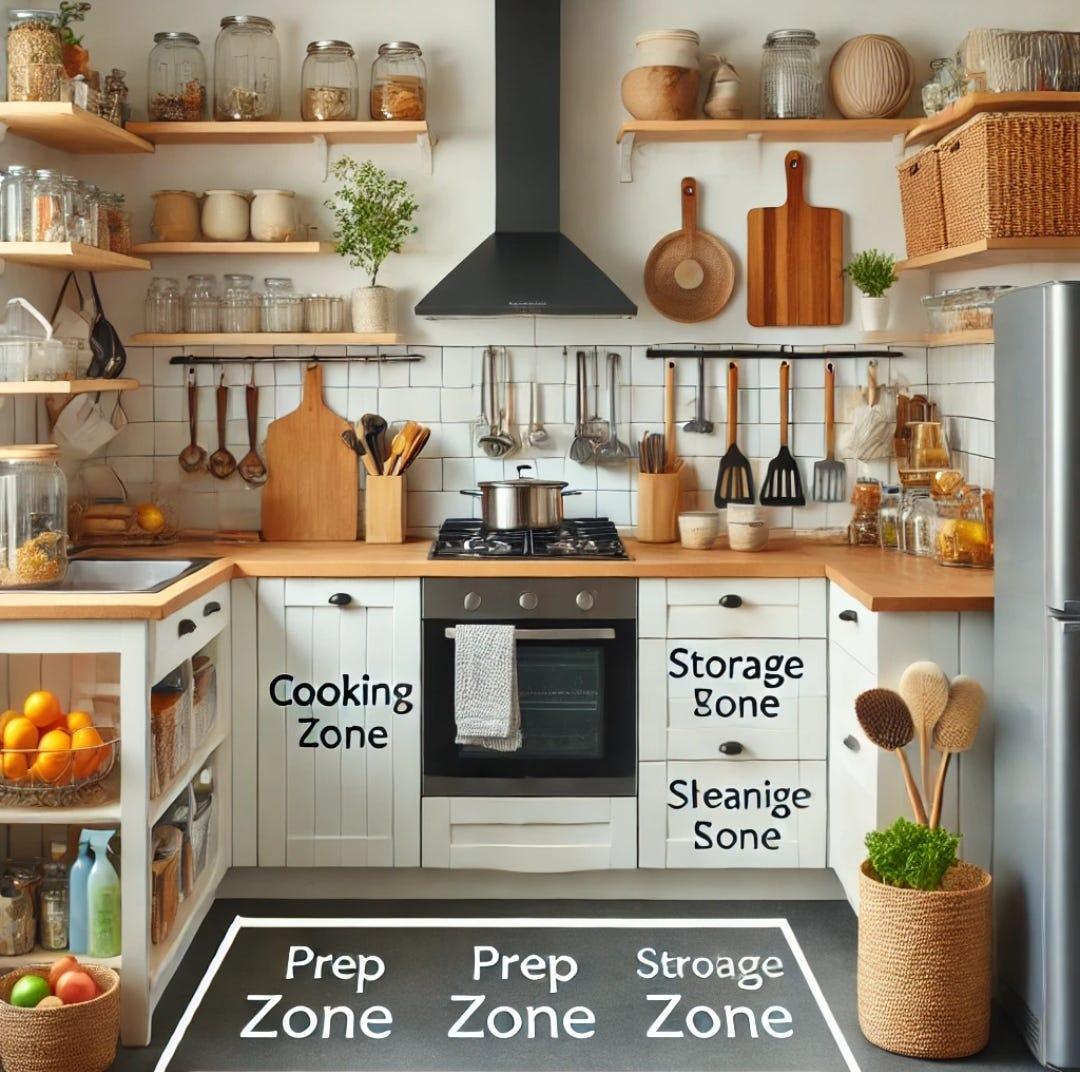
Why organizing by zones—not categories—made everything easier
Although I thought my kitchen was organized, I realized it wasn’t efficient. I would spend too much time searching for utensils or running back and forth for missing ingredients. So, I started to research and found that restaurants use zones to keep everything organized and running smoothly. If this works for professionals, I figured it could work for me. That’s really how this article came about. I needed to make my kitchen routine smoother, and now I’m sharing what has made the biggest difference for me. Home kitchens don’t need as many zones as restaurants, but having some structure really does help.
🍽️ Zoning: The Foundation of Kitchen Workflow
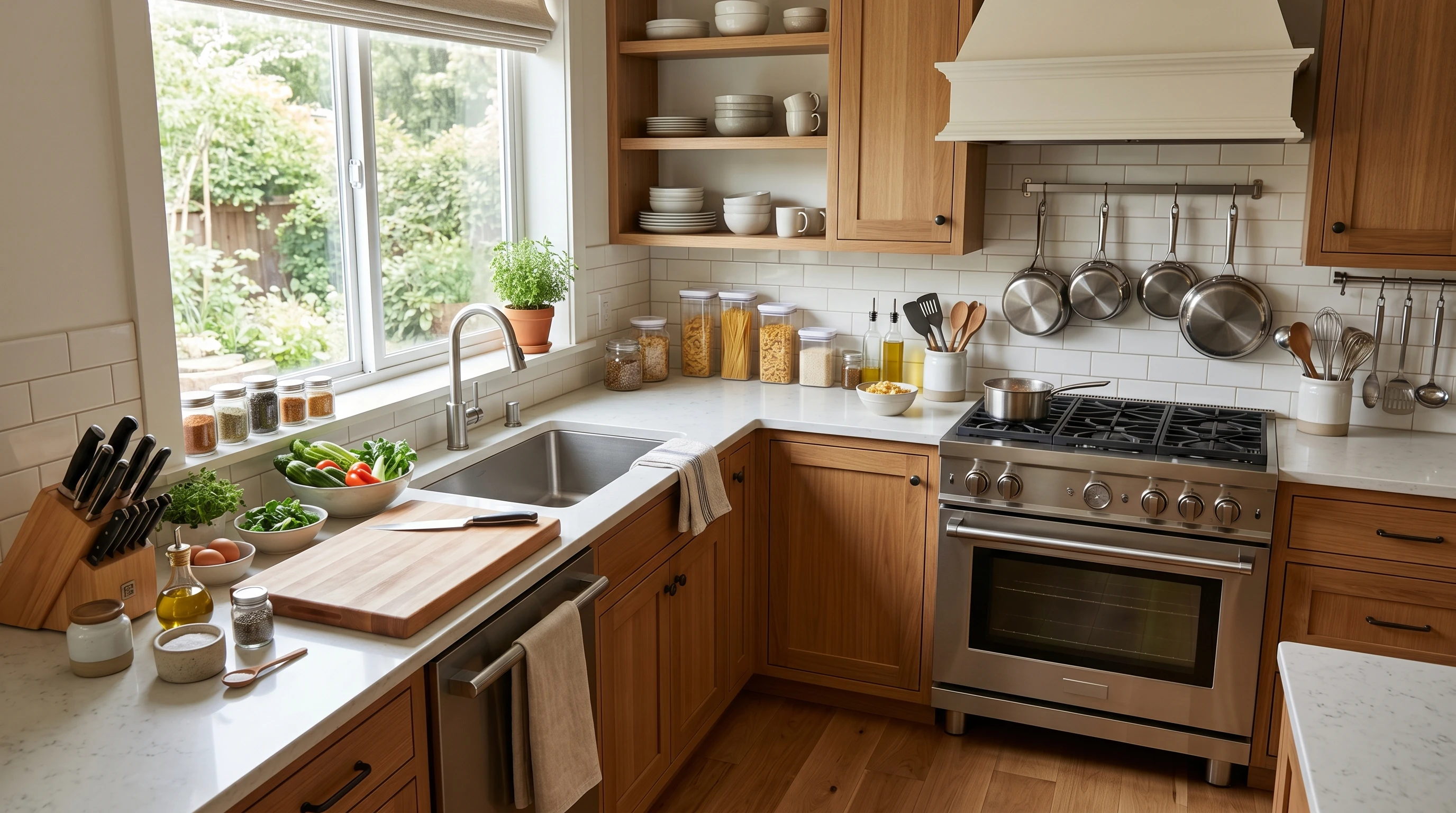
Zoning is the heart of an efficient kitchen workflow. The idea is really simple: assign each part of the kitchen a specific job. Restaurants use a lot of zones, but in my home, I found that just a few key areas, like a prepping zone, a cooking zone, and a cleaning zone, made a noticeable difference in how smoothly things ran.
Setting up zones makes it easy to keep related tools and ingredients within arm’s reach. For example, my cutting boards and knives sit close to where I wash vegetables, so I don’t have to move across the kitchen with dripping food. Keeping spices, oils, and pans near the stove has made cooking feel almost effortless. Storing dish soap, scrubbers, and towels under the sink keeps cleaning simple and clutter free.
Restaurants rely on this because they have to move fast. In my daily cooking, zoning helps me feel more relaxed and focused. It means less cleanup and fewer spills or messes to deal with in the end as well.
Prep Zone: Counter space near the sink or fridge with knives, chopping boards, mixing bowls, and commonly used prep tools.
Cooking Zone: The area around your stove or oven, with pans, utensils, spices, oils, and oven mitts.
Cleaning Zone: Near the sink and dishwasher, stocked with cleaning tools, trash bins, and towels.
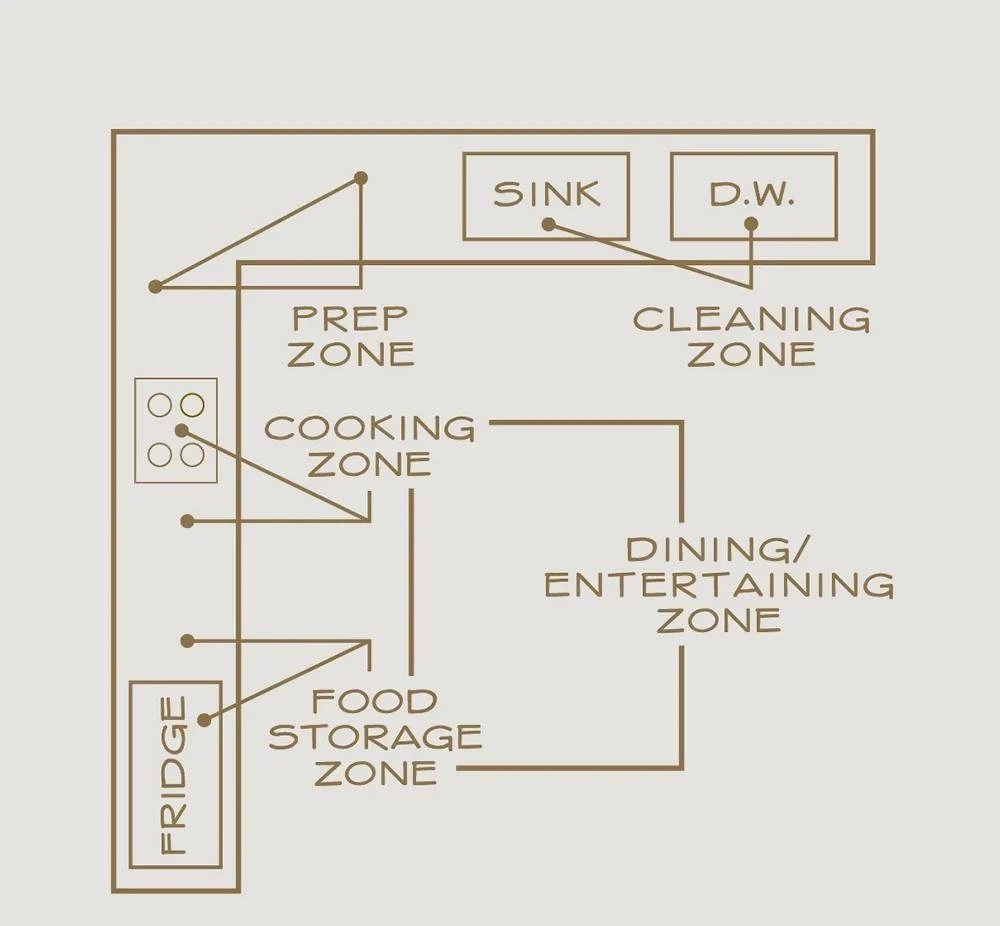 Organizing your kitchen into simple zones can make cooking smoother and more efficient.
If you have extra space, you might also consider a baking zone, especially if you bake often. This could be a separate counter with your mixer, rolling pin, and measuring gear nearby so it’s always ready to use when inspiration hits. Small kitchens can double up zones by keeping items for different tasks together in baskets or trays that can be moved as needed.
🔪 Prepping and Chopping: Set Yourself Up for Success
Having a dedicated area for prepping ingredients can honestly change the way you cook. In my kitchen, I picked a stretch of counter near the fridge and sink. That’s my spot for washing, peeling, and chopping ingredients.
It helps to store all the prep essentials right here. I keep my favorite chef’s knife, a few cutting boards, mixing bowls, and a trash bowl for scraps. Having everything in one place means I can move from ingredient to ingredient quickly, and cleaning up has become much easier. I also started using a small bowl for scraps, so I’m not reaching over the garbage every few minutes.
Setting up this prep zone made a real difference, especially for recipes that involve a lot of dicing and slicing. My advice is to keep it uncluttered and only put out what you use most often. Once I did that, meal prep started to feel a lot less overwhelming.
Another small habit I formed is to sharpen my knives regularly. A sharp knife not only makes prepping faster, but it also keeps it safer. It’s a simple task that pays off over time, and having a honing rod or a compact sharpener close by helps make it a no-brainer part of my routine.
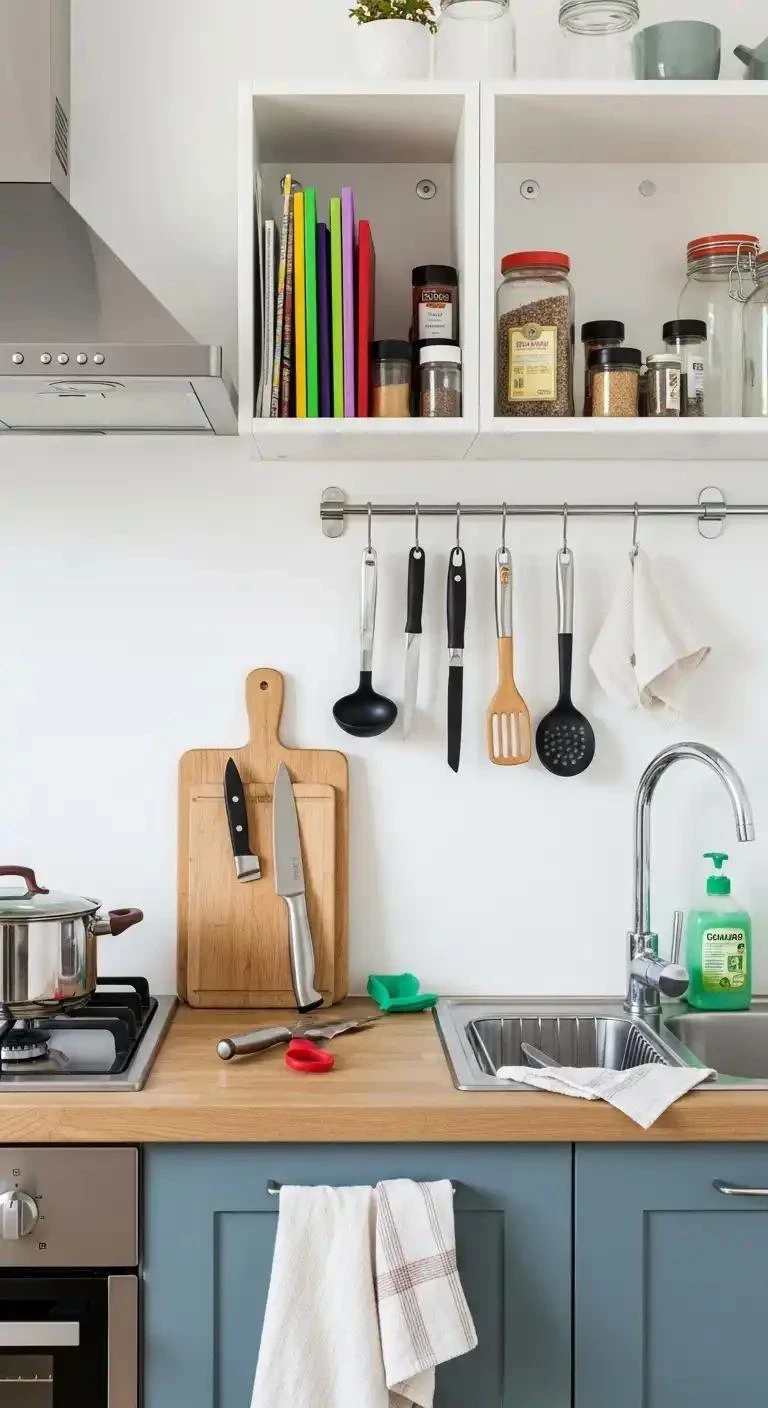 Keeping prep tools in one place makes cooking faster and less frustrating.
🔥 Cooking Zone: Everything Within Reach
The cooking zone is usually centered around the stove, and for me, keeping it organized is really important. Pots, pans, and spatulas are all within easy reach. I also installed a small shelf near the stove for oils, salt, pepper, and frequently used spices. This keeps me from running around looking for things while something is frying or boiling.
One simple change that made a big difference was keeping oven mitts and pot holders close by, instead of buried in a drawer. Reaching for what I need, when I need it, helps me avoid burning dinner or burning myself. I also make sure there’s some clear counter space right next to the stove for placing hot pans or finished food.
When I set up my kitchen this way, my cooking sped up, and there were fewer messes. If you’re finding that you’re hunting for things while something is cooking, try rearranging so that stirring spoons, lids, and measuring spoons stay near the stove or oven.
Another tip is to have a tasting spoon or small bowl handy so you can taste and adjust your food as it cooks. Keeping these tools within arm’s reach helps you stay in the flow of cooking rather than breaking concentration to look for what you need.
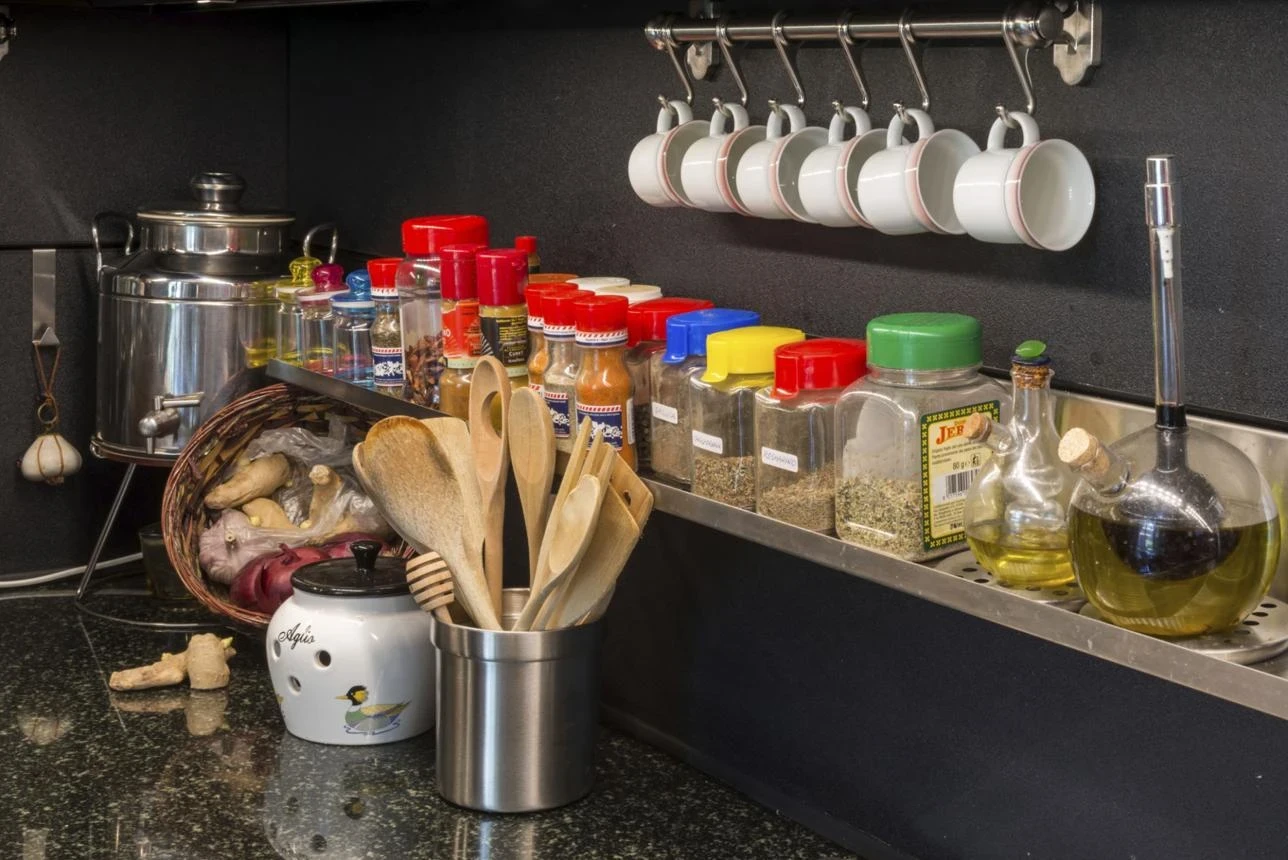 Keeping essentials near the stove helps you stay focused while cooking.
🧼 Cleaning Zone: Keeping It Tidy Without Extra Work
Cleaning up is a lot easier when everything has a spot. I keep dish soap, a scrub brush, towels, and sponges in the cupboard under the sink since that’s where most cleaning happens. During cooking, I try to clean as I go. I’ll do things like rinse cutting boards or put away ingredients once I’m done with them.
This makes the end of meal cleanup way less stressful. I also learned it helps to keep trash and recycling bins nearby but out of the cooking path. If you have a dishwasher, stacking dishes straight in instead of leaving them in the sink keeps things looking tidy.
One trick I started using is to fill the sink with warm soapy water while I cook, so I can quickly drop in utensils or bowls when I’m done with them. That stops things from piling up, and stuff is ready for a quick wash while I wait for something to simmer or bake.
It also helps to keep a towel or two nearby for wiping hands and spills. Making this a habit saves time and limits sticky countertops and messes from hardening into stubborn grime later on.
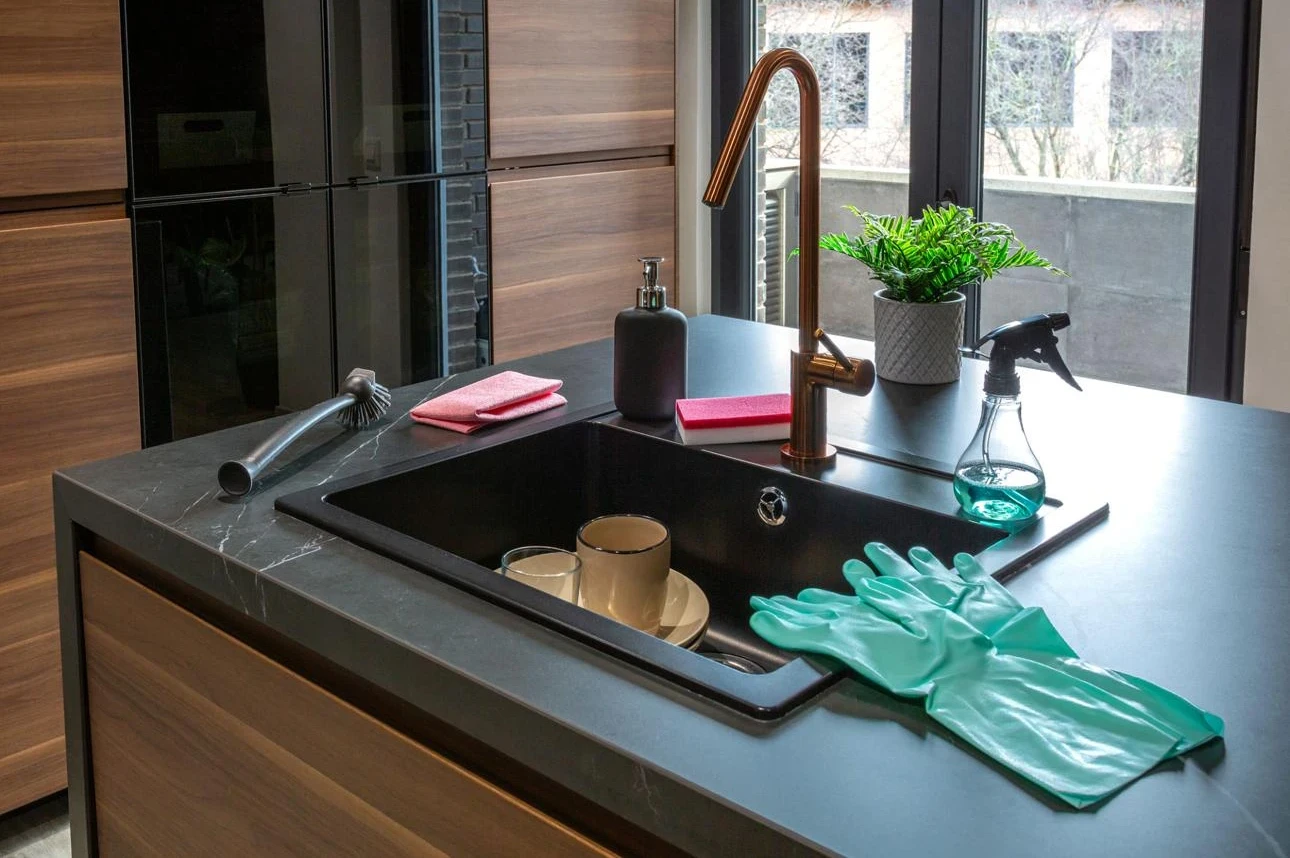 A simple cleaning zone makes it easier to clean as you go.
🥦 Ingredient Storage: Making Ingredients Easy to Find
A big part of smooth kitchen workflow is being able to grab what you need, when you need it. I organize my pantry and fridge with clear containers, using labels for flours, grains, and snacks. I put the most used items at eye level, and keep baking ingredients in one area, pasta and rice together, and canned goods stacked by type.
The fridge works better for me when leftovers are on the top shelf, produce is in drawers, and condiments live on the door. If you make a weekly meal plan, group ingredients together so you’re not searching every time you start cooking. This small change made it so much easier to see what I actually have and what I’m missing.
Labeling shelves and containers is worth the effort. Then even someone else who’s cooking with you can find things easily. Rotating pantry goods and putting new items at the back helps make sure older food gets used first and nothing gets wasted.
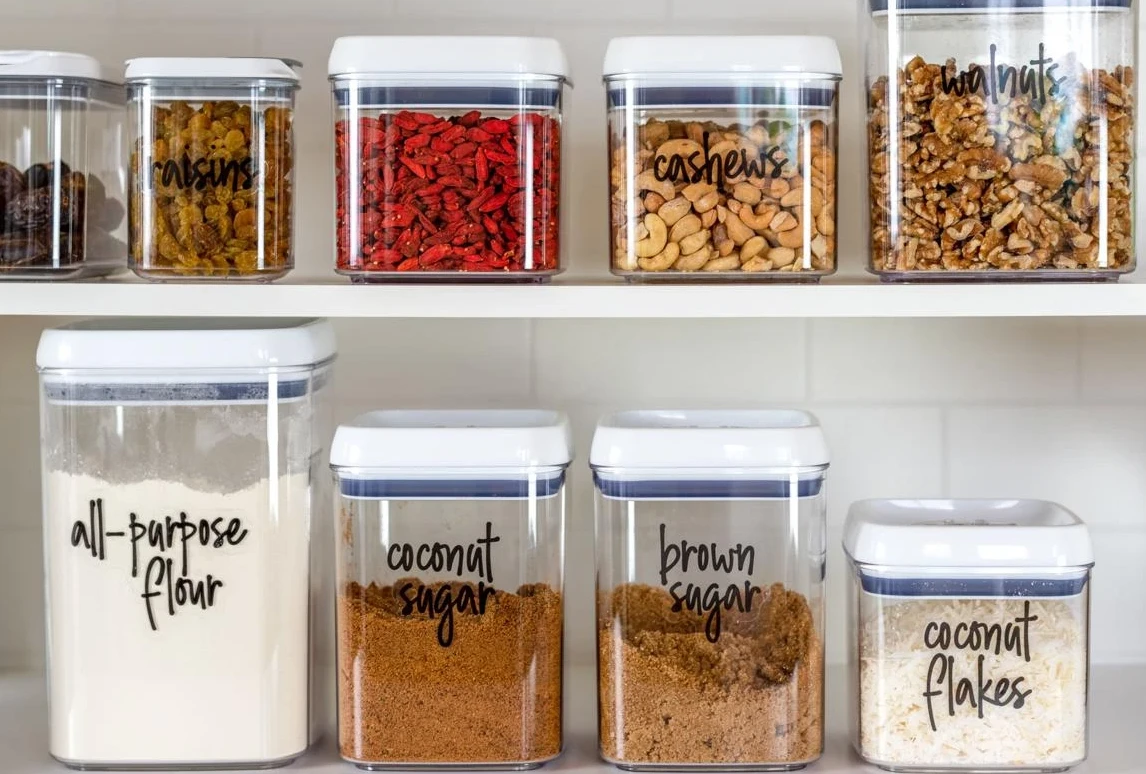 Clerly marked cannisters make finding ingredients easier
🛠️ Tools and Gadgets: Only What You Use Most
At first, I kept gadgets and small appliances all over my counters. Over time, I realized less is more. I picked out only the ones I use every week, like my blender, toaster, and coffeemaker, and put the rest in cabinets or donated them.
For things like measuring cups, spatulas, and peelers, drawer organizers help me grab the right tool quickly. I also hung a couple of hooks near the stove for my goto pans and strainers. This really cut down on feeling overwhelmed by clutter, and it’s easier to find what I need.
If you want to save even more space, consider stacking smaller appliances on shelves or in deeper cabinets, organized by how often you use them. Every month or so, look over your tools and gadgets and store away what hasn’t been touched recently.
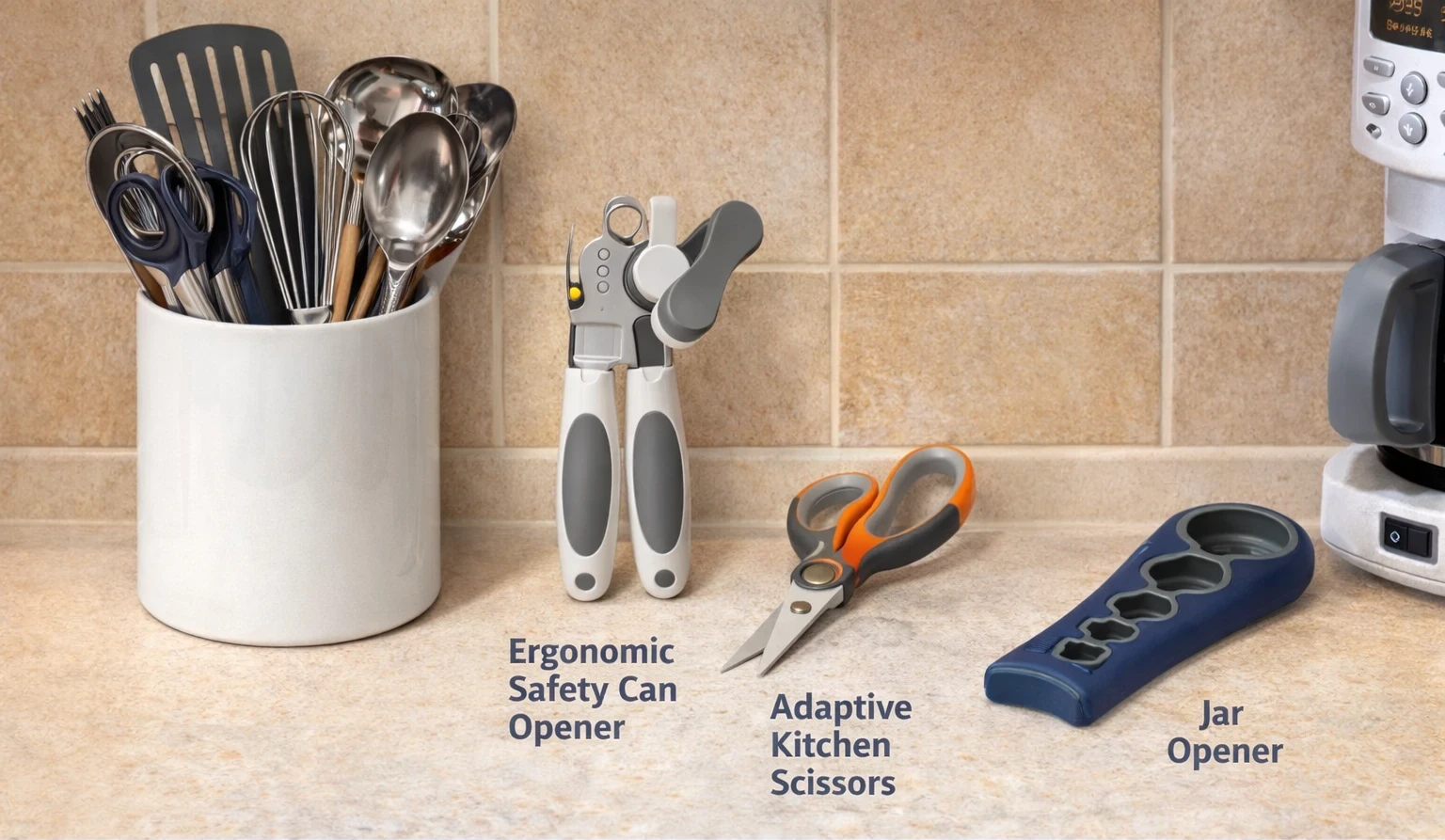 Having frequently used tools and gadgetsnearby makes cooking less frustrating
Setting up zones made a big difference—but it only works if you can quickly find what you need within those spaces. That’s where storage and labeling come in.
👉 I’ve shared the simple systems I use in my Storage and Labeling article, including easy ways to keep ingredients, containers, and everyday items organized so you’re not guessing or searching.
📋 A Simple Routine for Staying Organized
- Pick Your Zones: Figure out where you do your prepping, cooking, and cleaning, then group tools and ingredients for each area.
- Declutter and Donate: Keep only what you use often. Less used gadgets and duplicate utensils can be donated or stored out of sight.
- Clean as You Go: Rinse and put away things as you finish using them. Wipe counters between steps to keep the workspace clear.
- Review Weekly: Reorganize shelves or drawers if things pile up, and check that each zone has what it needs.
Staying consistent with this routine is the key to an efficient kitchen that feels welcoming every time you step inside. Encourage family or housemates to get involved; when everyone knows where items should go, things stay tidier for longer.
❓ Frequently Asked Questions
How do I figure out which zones I need?
Think about your daily routine. If you usually chop vegetables near the sink, that’s your prep zone. Try to notice where you naturally do each task and build your setup around that.
What if my kitchen is small?
Even in a small space, you can create zones using shelves, cart storage, or by grouping items in baskets. The main thing is to keep related items together so you’re not crisscrossing the room.
How can I make the cleanup less stressful?
Clean along the way, and keep cleaning supplies handy. I find that putting things directly into the dishwasher or washing dishes between steps makes the end much smoother.
Can kids help with zones?
Absolutely! Create a snack drawer or a bin with their plastic plates and cups in a lower cabinet so kids can help themselves. Color coding items for each person can make it even easier for everyone to put things back in the right place.
🌱 Small Habits That Make It Easier Every Day
- Prep ingredients ahead on busy days and store them in clear containers.
- Write out your meal plan and keep it visible, so you’re not second-guessing your steps.
- Double batch cooking saves time and cuts down on future messes. Use freezer safe containers for leftovers.
- Wipe counters and sweep the floor after cooking to keep surfaces ready for the next time.
- When unloading groceries, put items into the correct zone right away so things don’t pile up in the wrong spots.
Small, steady tweaks can help you keep a kitchen that’s both easy to work in and welcoming to everyone in your household. A well planned kitchen layout saves time, reduces stress, and lets you enjoy cooking instead of feeling frazzled. Whether you’re new to organizing or just looking for a few tweaks, focusing on zones can help turn your kitchen into a space you truly want to use every day.
💬 Bottom line
What I’ve learned is that organizing by zones—not categories—made the biggest difference. It’s not about having a perfect kitchen. It’s about setting it up so it works with you, not against you.
Once I got my kitchen zones set up, I started to realize something else—this wasn’t just about cooking. It was part of a bigger shift in how I organized my space to make daily life easier overall.
👉 If you’re working toward that same goal, you might find my Home Organization article helpful. It pulls together the bigger picture behind what’s actually made a difference for me.